

Steel Procurement Risks in African Infrastructure Projects (And How to Reduce Them)
Steel remains one of the most critical inputs in African infrastructure development. Power plants, transport corridors, industrial facilities, and large commercial projects all depend on structural steel to carry load, span distance, and perform reliably over decades. At the same time, steel procurement continues to be one of the most exposed stages of project delivery across the continent.
In several Sub-Saharan African markets, infrastructure projects experience high failure or delay rates. While funding and planning issues play a role, procurement breakdowns—particularly around steel—are often where projects begin to lose momentum. Delays, cost overruns, and quality disputes frequently trace back to steel sourcing decisions made early in the project lifecycle.
Why Steel Procurement Becomes a High-Risk Area
Steel procurement in Africa is shaped by a combination of global and regional pressures.
Steel prices fluctuate based on international demand, raw material availability, and currency movements. Many African infrastructure projects are approved in local currencies, while imported steel is priced in USD. Currency depreciation can therefore increase procurement costs after contracts are already in place, creating immediate financial pressure.
Logistics introduce another layer of risk. Limited rail infrastructure, port congestion, and long inland transport routes are common challenges. Even when fabrication is completed on schedule, steel can be delayed by factors outside the control of contractors or suppliers.
Local market conditions add complexity. Several African countries export raw materials but rely on imports for finished or semi-finished steel. Protectionist policies designed to support domestic mills sometimes apply even when local producers cannot meet the technical requirements of major infrastructure projects. This creates compliance challenges rather than solving supply gaps.
Regulatory inconsistency and slow administrative approvals further increase exposure. In public-sector projects, procurement timelines are often extended by tender reviews, approvals, and documentation requirements.
How Projects Gradually Lose Control
Steel-related problems rarely appear overnight.
Specifications are incomplete.
Fabrication assumptions are made.
Drawings are revised late.
Delivery schedules shift.
By the time issues surface on site, corrective action becomes expensive and disruptive. In some cases, steel meets dimensional requirements but lacks proper certification or inspection records, creating problems during audits or financing reviews.
These realities explain why steel fabrication supply from UAE to Africa has become more prominent. Predictability and documentation often matter more than marginal cost savings when project schedules are already tight.
Reducing Procurement Risk Through Better Planning
Projects that perform well tend to approach steel procurement as a structured process rather than a purchasing activity.
Supplier diversification reduces reliance on a single source.
Longer-term or fixed-scope contracts help manage price volatility.
Early coordination between designers and fabricators reduces rework.
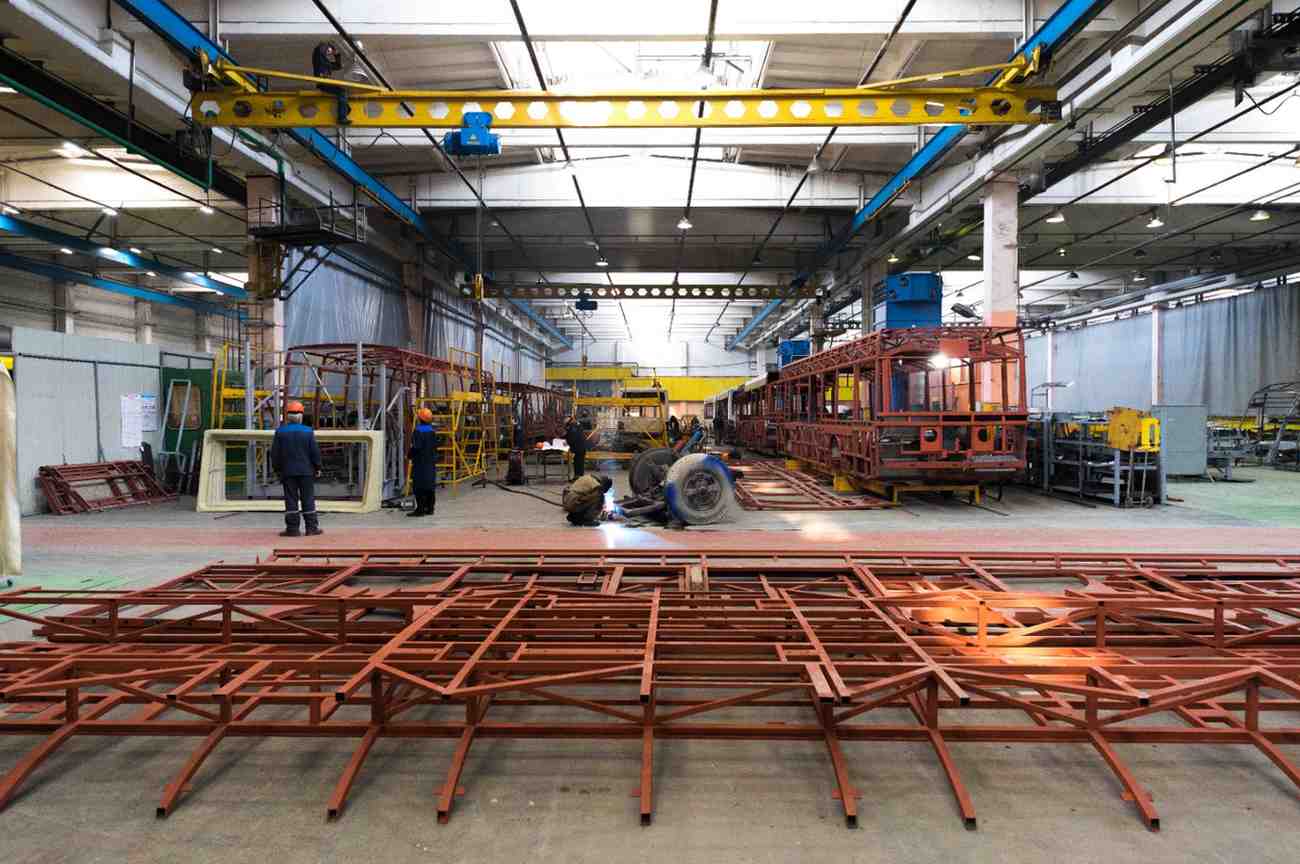
Off-site fabrication is a key part of this approach. Steel produced in controlled environments is less affected by site conditions and workmanship variability. Inspection and testing occur before shipment, not after arrival.
This model aligns closely with steel Fabrication Supply from UAE to Africa, where fabrication facilities operate within established industrial systems supported by export-ready logistics and quality frameworks.
Fewer Unknowns in Cost and Programme
Concrete often appears economical at first glance. In practice, extended site durations, labour exposure, and rework can push costs beyond initial estimates.
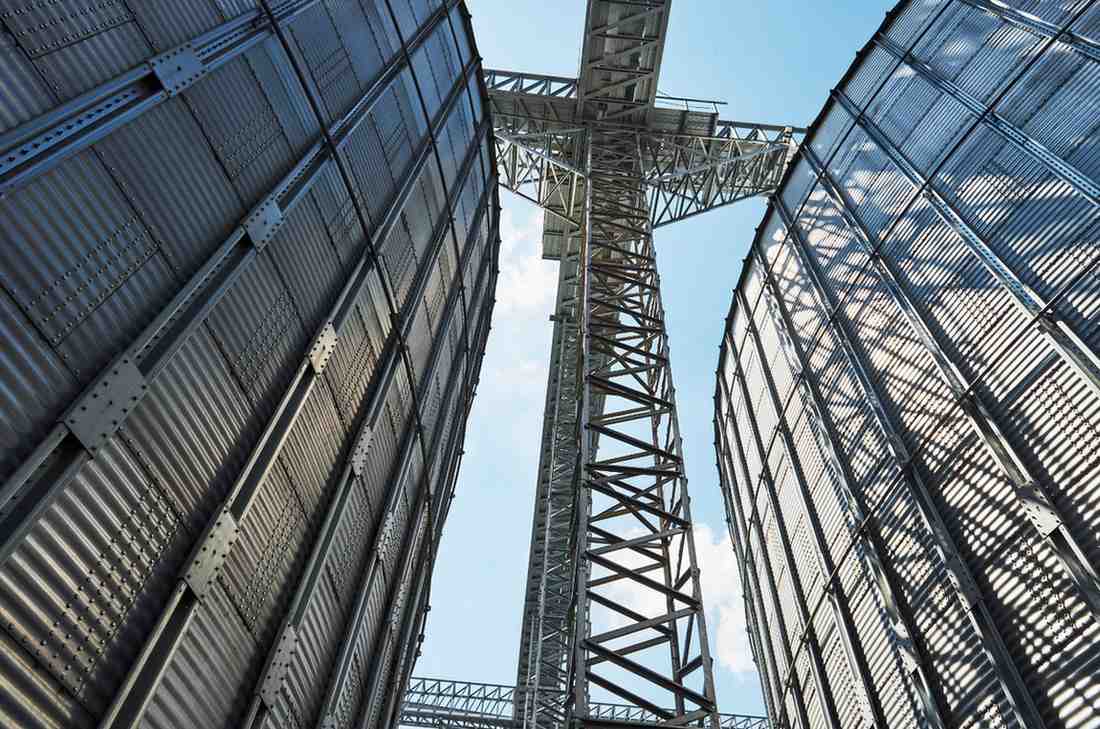
Steel construction offers clearer parameters. Quantities are fixed earlier. Fabrication schedules are defined. Erection windows are shorter. Reduced dependency on site conditions helps limit unplanned delays.
For projects where predictability matters, working with experienced providers of structural steel fabrication in UAE helps align cost, schedule, and execution more closely.
Sustainability and Digital Compatibility
Sustainability requirements are now standard on industrial projects. Structural steel supports these objectives through recyclability and efficient material use. Off-site fabrication also reduces waste and improves material control.
Steel integrates well with digital construction workflows. BIM-based coordination allows design conflicts to be resolved early, reducing site-level issues and improving overall execution.
Conclusion
The replacement of concrete with structural steel in large-scale industrial projects reflects how construction priorities have changed. Speed, adaptability, quality control, and long-term performance now influence material decisions more than tradition.
As industrial facilities continue to grow in size and complexity, solutions backed by structural steel fabrication in UAE are increasingly shaping how these projects are delivered. For many developers, structural steel is no longer a secondary option—it has become the practical baseline.