

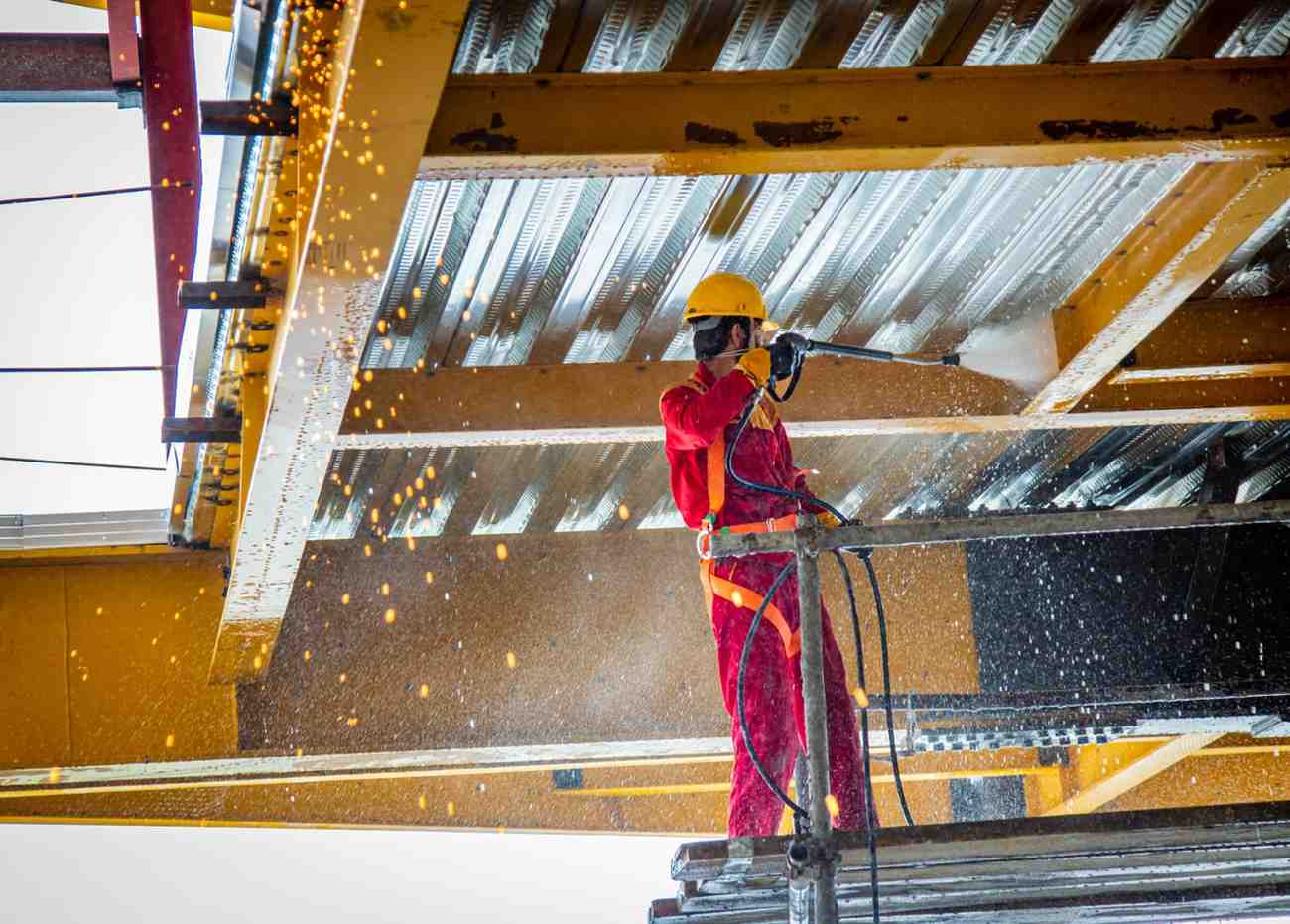
How Modern Steel Fabrication Accelerates Industrial Plant Construction
Industrial plant construction has always been measured by one critical factor: time. Every week added to a project schedule can increase labour costs, delay production, and slow return on investment. Whether the project involves a manufacturing facility, refinery, warehouse, processing unit, or utility plant, faster delivery often creates a direct commercial advantage.
This is where modern steel fabrication has changed the pace of industrial construction. Instead of relying heavily on slow site-based methods, today’s projects use precision-engineered steel systems produced in controlled factory environments and assembled rapidly on site. The result is shorter programmes, better coordination, and fewer costly disruptions.
For companies planning industrial expansion, Structural steel fabrication has become one of the most practical ways to build faster without compromising quality.
Why Industrial Plant Projects Often Face Delays
Large industrial developments are complex by nature. Multiple contractors, technical systems, safety requirements, and changing site conditions can easily affect timelines.
Traditional construction methods often slow progress because they depend on:
- Sequential site activities
- Weather-sensitive work
- High labour dependency
- Concrete curing periods
- On-site fabrication adjustments
- Coordination clashes between trades
When structural elements are fabricated late or modified on-site, delays quickly spread across the full project schedule.
Modern Steel fabrication for industrial plants addresses many of these risks by shifting key activities away from the construction site and into controlled production facilities.
Off-Site Fabrication Creates Parallel Progress
One of the biggest advantages of modern fabrication is that site work and steel production can happen at the same time.
While foundations, underground utilities, and site preparation move forward, steel columns, beams, platforms, pipe racks, and support frames can be fabricated off-site. Instead of waiting for one phase to finish before the next begins, both tracks progress together.
This parallel workflow significantly reduces overall construction duration and improves planning certainty.
For fast-track industrial projects, Structural steel fabrication allows owners to recover valuable time early in the programme.
Precision Engineering Reduces Rework
Modern fabrication shops use CNC cutting, automated drilling, robotic welding, and digital measurement systems. These technologies help produce steel components with high dimensional accuracy.
That accuracy matters on site.
When beams, columns, platforms, and connection plates arrive correctly fabricated, erection teams spend less time adjusting, trimming, or correcting fit-up issues. Reduced rework means fewer delays, lower labour waste, and smoother installation.
For industrial plants where mechanical and electrical systems depend on structural alignment, accurate Structural steel fabrication improves the speed of every trade that follows.
BIM Improves Coordination Before Construction Starts
Many delays begin long before site work starts. Conflicts between structure, piping, cable trays, HVAC, and access systems often surface during installation rather than design.
Modern fabrication workflows increasingly use BIM and 3D modelling to detect these clashes early. Engineers can identify interference points, revise layouts, and coordinate trades before steel enters production.
This early coordination reduces redesign during construction and helps site teams work from clearer drawings.
For complex facilities, a capable structural steel fabrication company in UAE often combines fabrication expertise with digital coordination to support smoother project execution.
Faster Erection Through Bolted Systems and Modular Components
Once steel reaches the site, installation speed becomes the next advantage.
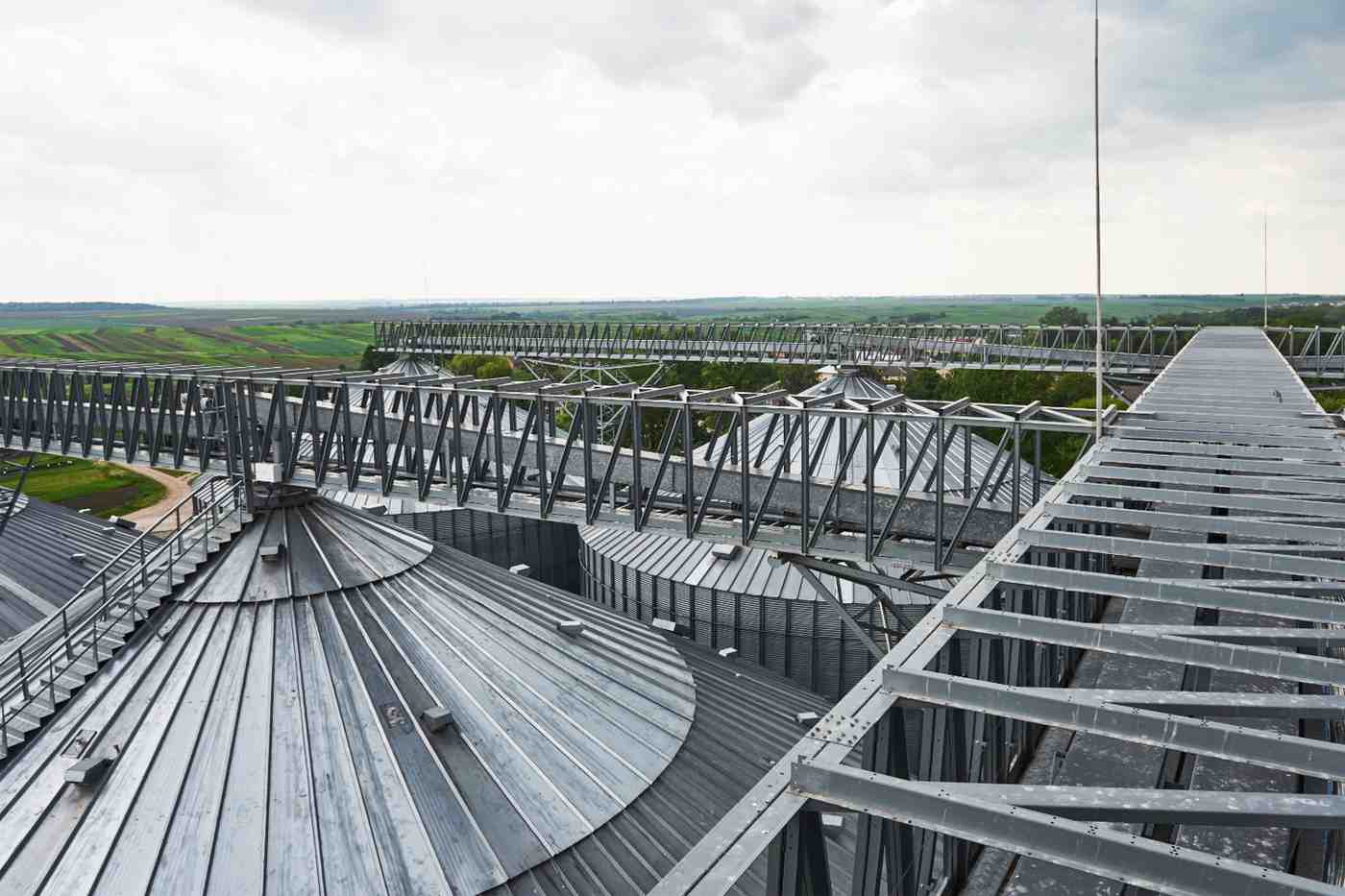
Modern steel systems are commonly designed with bolted connections, pre-drilled members, and modular assemblies. This allows structures to be erected quickly with fewer wet trades and less waiting time compared with traditional concrete construction.
Many industrial facilities now use:
- Pipe rack modules
- Equipment support skids
- Access platforms
- Preassembled structural frames
- Stair towers and service modules
These components reduce on-site assembly hours and help contractors maintain tighter schedules.
That is one reason Steel fabrication for industrial plants is seeing wider adoption across the manufacturing, energy, and logistics industries.
Better Quality Control in Controlled Environments
Factory-based fabrication offers conditions that construction sites often cannot match.
Indoor production environments reduce weather disruption, improve welding consistency, and support systematic quality checks throughout the fabrication cycle. Material traceability, inspection records, and testing documentation can be completed before dispatch.
This gives project teams more confidence in delivered components and reduces the risk of site-level surprises.
Reliable Structural steel fabrication is not only faster—it is often easier to manage from a quality perspective.
Supports Future Expansion and Plant Modifications
Industrial plants rarely stay unchanged. Production lines expand, utilities are upgraded, and layouts evolve over time.
Steel structures are well-suited to these future changes because they can often be extended, strengthened, or modified more efficiently than many conventional systems.
Additional mezzanines, platforms, pipe supports, or equipment frames can be integrated with less disruption to ongoing operations.
For owners planning long-term growth, this flexibility adds further value beyond initial speed.
Why the Right Fabrication Partner Matters
Even the best design can lose momentum if fabrication is delayed or poorly coordinated. Successful plant delivery depends heavily on choosing a partner with the right systems, workforce, and production capability.
An experienced structural steel fabrication company in UAE can offer:
- Engineering coordination
- Modern fabrication technology
- Schedule-driven production planning
- Export and logistics capability
- Quality assurance systems
- Support for complex industrial projects
This becomes especially important when plant schedules are linked to commissioning targets or shutdown windows.
Conclusion
Industrial plant construction is no longer judged only by structural strength. It is judged by speed, coordination, reliability, and how quickly operations can begin.
Modern fabrication methods have transformed how plants are delivered. Through off-site production, digital coordination, precision manufacturing, and rapid erection, Structural steel fabrication helps compress schedules and reduce avoidable delays.
For developers, EPC contractors, and plant owners looking to build smarter and faster, modern steel systems are no longer an alternative approach—they are becoming the preferred standard.