

How Structural Steel Is Supporting Africa's Rapid Urban Development
Africa is experiencing one of the fastest urban transformations in the world. Cities are expanding beyond their traditional boundaries, new industrial zones are emerging, and governments are investing heavily in infrastructure to support growing populations and stronger economies. By 2050, the continent’s urban population is expected to approach 2.5 billion people, creating unprecedented demand for housing, transportation, healthcare, education, energy, and commercial developments.
Meeting that demand is no small task. Construction projects are expected to move faster than ever while maintaining high standards of safety, durability, and long-term performance. Traditional building methods continue to play an important role, but they often struggle to match the pace required for modern urban development. Project delays, labour shortages, and unpredictable site conditions can quickly increase costs and push completion dates further away.
This changing landscape is one of the reasons structural steel has become central to Africa’s construction industry. From high-rise buildings and industrial facilities to transport networks and public infrastructure, steel provides the flexibility, speed, and engineering performance needed to keep urban development moving forward. As more countries accelerate investment in modern infrastructure, steel fabrication supply from UAE to Africa has also become an increasingly reliable solution for supporting projects that demand both quality and predictable delivery.
Africa’s Cities Are Growing Faster Than Ever
Urbanisation is reshaping almost every sector of Africa’s economy.
Growing cities require more than residential buildings. They also need manufacturing facilities, logistics parks, airports, railway stations, hospitals, schools, water treatment plants, power infrastructure, commercial centres, and public spaces that can support expanding communities for decades.
At the same time, developers are working under increasing pressure to complete projects within tighter schedules. Delayed infrastructure can affect economic growth, reduce investor confidence, and postpone essential public services.
Construction methods, therefore, need to deliver more than structural strength. They must also improve efficiency throughout the project lifecycle.
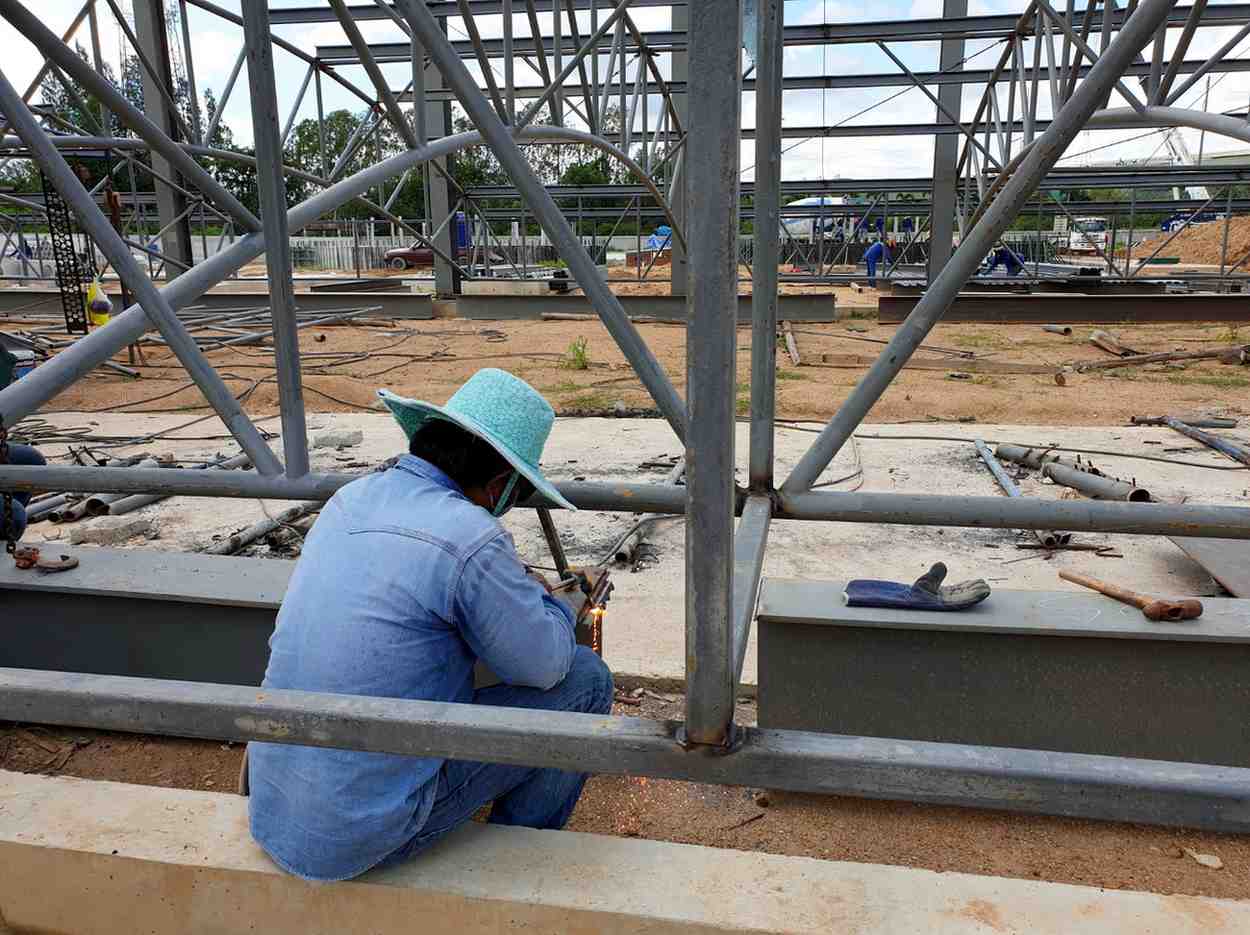
Structural steel answers many of these challenges because much of the engineering and fabrication work is completed before construction begins on site. While foundations and civil works are progressing, steel components are manufactured in controlled production facilities, allowing different stages of the project to move forward simultaneously rather than one after another.
That coordinated approach shortens construction programmes while reducing many of the uncertainties associated with conventional site-based construction.
Why Structural Steel Fits Modern Urban Development
Every growing city faces the same question: how can more infrastructure be delivered without constantly extending project timelines?
Structural steel has become one of the practical answers because it combines engineering strength with construction efficiency.
Unlike many traditional materials, structural steel offers an exceptional strength-to-weight ratio. Engineers can design taller buildings, longer roof spans, and larger open spaces without placing excessive loads on foundations. This flexibility gives architects greater freedom while helping developers optimise usable floor space.
The benefits extend beyond structural performance.
Modern structural steel fabrication allows components to be manufactured with extremely high levels of precision using CNC machinery, automated welding systems, digital modelling, and rigorous quality inspections. Each beam, column, truss, and connection is produced according to detailed engineering specifications before arriving on site.
Because much of the complex work has already been completed during fabrication, installation becomes faster, more organised, and significantly less dependent on site conditions.
For projects operating under demanding delivery schedules, steel fabrication supply from UAE to Africa supports this process by providing fabricated structural components through well-established manufacturing facilities and export logistics, helping projects maintain both quality standards and construction momentum.
Supporting High-Rise Commercial Development
Across cities such as Nairobi, Lagos, Kigali, Johannesburg, Addis Ababa, Cairo, and Accra, commercial skylines continue to evolve.
Office towers, mixed-use developments, shopping centres, hotels, residential complexes, and business districts are becoming increasingly common as urban populations grow and investment continues to increase.
Structural steel plays a major role in making these developments possible.
Its ability to support long spans creates flexible interior layouts with fewer supporting columns, allowing office spaces, retail environments, exhibition halls, and commercial facilities to adapt more easily to changing business requirements.
This flexibility also benefits developers planning future expansion. Rather than demolishing existing structures, many steel-framed buildings can be modified, extended, or reconfigured with considerably less disruption compared to conventional construction methods.
As cities continue to develop vertically, structural steel provides the engineering capability needed to support taller buildings while maintaining construction efficiency and long-term structural reliability.
Strengthening Industrial Growth Across the Continent
Urban development is closely connected to industrial expansion.
Many African governments are investing in manufacturing zones, export processing centres, logistics corridors, and industrial parks to strengthen local production and encourage foreign investment. These developments require buildings capable of supporting heavy equipment, production lines, automated storage systems, and future operational growth.
Structural steel has become the preferred solution for many of these facilities because it allows large clear-span buildings without excessive internal supports. Warehouses, manufacturing plants, processing facilities, and logistics hubs all benefit from open layouts that improve operational efficiency while allowing future expansion.
Another advantage lies in digital project coordination.
Today, many industrial developments rely on Building Information Modeling (BIM) during the design stage. BIM allows engineers, architects, and structural steel fabrication specialists to coordinate every structural element before production begins, reducing design conflicts, improving fabrication accuracy, and simplifying installation once components reach the construction site.
This combination of digital engineering and precision fabrication helps minimise costly site modifications while supporting faster project completion.
As industrial investment continues across Africa, steel fabrication supply from UAE to Africa is helping developers access advanced fabrication capabilities supported by international quality standards, efficient logistics networks, and reliable engineering expertise.
Building Better Transport Networks
As African cities continue to expand, transportation infrastructure has become one of the biggest priorities for governments and private investors alike. New roads, railway corridors, bridges, airports, ports, and logistics terminals are essential for keeping growing populations and economies connected.
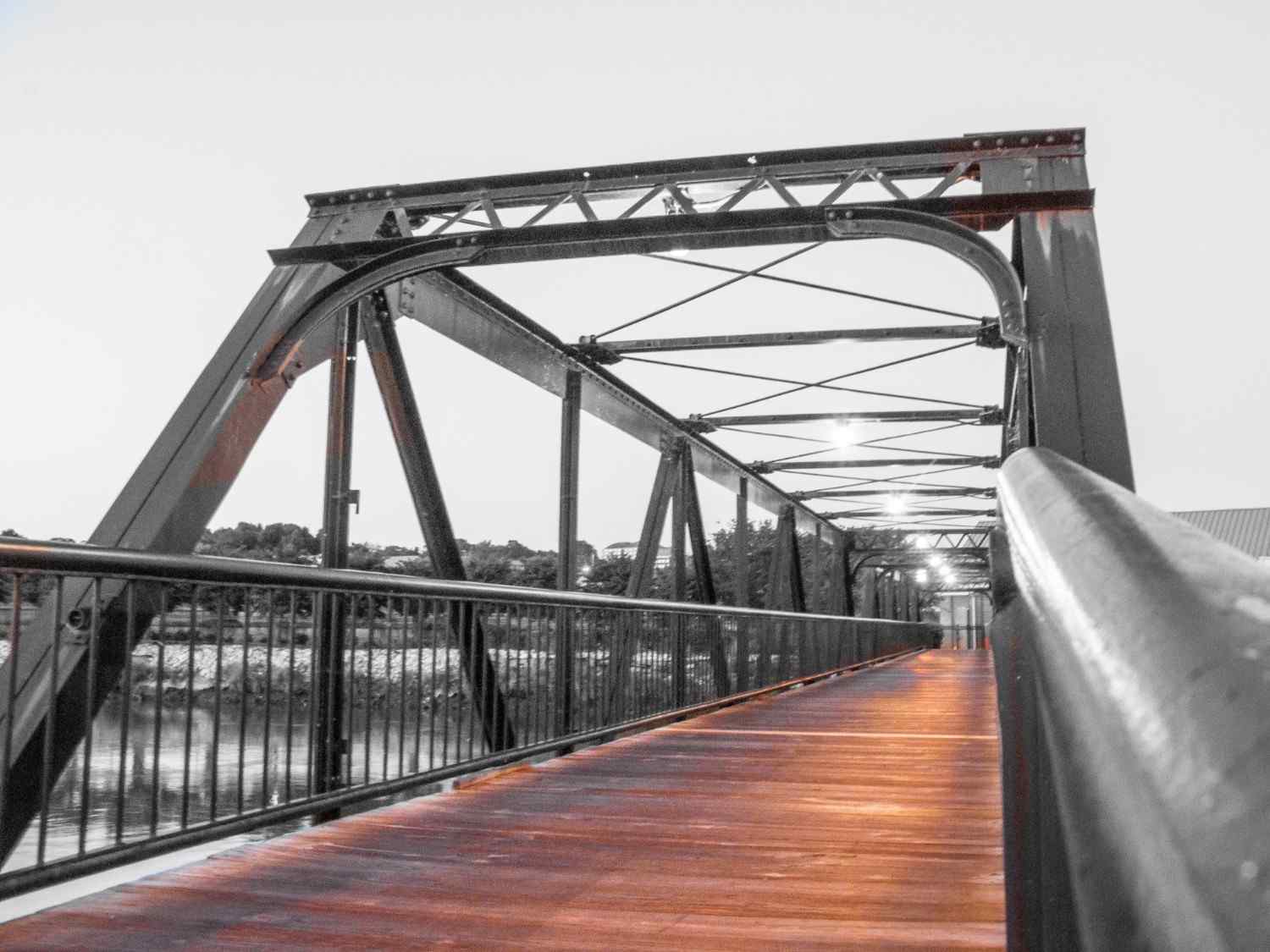
Structural steel plays a vital role in these developments because it combines strength with design flexibility. Long-span bridges, railway stations, airport terminals, and elevated transport structures often require materials capable of carrying substantial loads while maintaining structural stability over decades of service.
Unlike conventional construction methods that can be heavily affected by weather and lengthy curing periods, steel components are fabricated off-site and delivered ready for installation. This approach reduces disruption in busy urban environments and helps projects remain on schedule even when construction windows are limited.
Modern structural steel fabrication also allows engineers to produce complex structural components with exceptional accuracy. This level of precision becomes particularly valuable for transport projects, where alignment, safety, and long-term durability are critical.
As regional trade continues to grow under initiatives such as the African Continental Free Trade Area (AfCFTA), investment in logistics infrastructure is expected to accelerate further. Reliable steel fabrication supply from UAE to Africa helps support these developments by providing high-quality fabricated steel components through well-established export and logistics networks.
Supporting Energy, Utilities, and Essential Infrastructure
Urban growth cannot continue without reliable access to electricity, clean water, and modern utility systems.
Every new residential district, industrial zone, or commercial development increases demand for power generation, transmission networks, water treatment facilities, and renewable energy infrastructure.
Structural steel supports these projects in several important ways.
Transmission towers, electrical substations, industrial pipe racks, equipment platforms, and water treatment facilities all depend on engineered steel structures capable of performing under demanding environmental conditions.
Renewable energy projects are also increasing across the continent. Solar farms require durable mounting structures that can withstand years of exposure to harsh climates, while wind energy developments depend on precisely engineered steel components that safely support significant dynamic loads.
Many of these facilities operate in challenging environments, including coastal regions, desert landscapes, and high-temperature industrial areas. Modern protective coatings, corrosion-resistant finishes, and advanced fabrication techniques allow steel structures to perform reliably while reducing long-term maintenance requirements.
As infrastructure investment continues across multiple sectors, steel fabrication supply from UAE to Africa provides developers with access to fabrication capabilities that support international engineering standards and consistent product quality.
Building Cities That Can Adapt for the Future
Urban development is no longer measured simply by how quickly buildings are completed. Today’s cities must also remain adaptable as populations, industries, and technologies continue to evolve.
One of structural steel’s greatest advantages is its flexibility throughout a building’s lifecycle.
Industrial facilities can be expanded as production increases. Commercial buildings can be reconfigured to meet changing business needs. Warehouses can accommodate new storage systems without major structural alterations.
This adaptability allows developers to maximise the long-term value of their investment while avoiding the significant costs associated with demolition and complete reconstruction.
Digital technologies have strengthened this advantage even further.
Through Building Information Modeling (BIM), engineers, architects, and fabrication specialists can coordinate every stage of a project before manufacturing begins. Potential clashes are identified early, fabrication becomes more accurate, and installation proceeds with fewer interruptions.
The result is a more predictable construction process that benefits everyone involved, from project owners and consultants to contractors and facility operators.
Sustainability Is Becoming a Bigger Priority
Sustainability is now influencing construction decisions across Africa.
Governments, investors, and developers increasingly seek infrastructure that delivers long-term performance while reducing environmental impact.
Structural steel aligns well with these objectives.
Steel is one of the world’s most recyclable construction materials, allowing it to be reused at the end of a building’s service life without losing its core mechanical properties. Off-site fabrication also improves material utilisation by reducing waste during manufacturing.
Modern fabrication facilities continue to invest in more efficient production technologies, automation, and improved material management practices that contribute to lower environmental impact.
Growing interest in low-carbon steel production, recycled steel, and greener manufacturing processes is expected to strengthen steel’s position within sustainable construction over the coming years.
Combined with modular construction techniques, structural steel enables projects to minimise waste, reduce site disruption, and improve overall resource efficiency throughout the construction process.
Challenges Still Need to Be Addressed
Despite its growing adoption, structural steel construction across Africa still faces several challenges.
Global fluctuations in raw material prices can affect project budgets, while port congestion and transport bottlenecks occasionally disrupt delivery schedules.
Some regions also continue to experience shortages of experienced steel fabricators, certified welders, and specialised erection teams, making skilled workforce development an important priority for the industry.
Local steel production capacity is improving, but many countries still rely on imported structural steel for complex infrastructure projects that require advanced engineering standards and specialised fabrication capabilities.
These challenges are encouraging greater investment in local fabrication facilities, digital engineering technologies, workforce training, and stronger regional supply chains.
At the same time, established suppliers capable of delivering precision-engineered steel through dependable export networks continue to play an important role in supporting Africa’s expanding infrastructure sector.
Looking Ahead
Africa’s urban transformation is only beginning.
Over the coming decades, continued investment in housing, transportation, manufacturing, healthcare, education, renewable energy, and logistics infrastructure will reshape cities across the continent. Delivering projects at the speed required will depend on construction methods that combine efficiency, quality, and long-term performance.
Structural steel is well positioned to support this transformation. Its combination of strength, design flexibility, faster installation, and compatibility with modern digital construction practices makes it one of the most practical solutions for today’s infrastructure challenges.
Reliable steel fabrication supply from UAE to Africa will remain an important part of this progress, connecting advanced fabrication expertise with the growing demand for high-quality structural solutions across African markets.
Conclusion
Africa’s rapid urban development is creating opportunities on a scale rarely seen before. As cities continue to grow, the demand for durable buildings, efficient transport systems, industrial facilities, utilities, and public infrastructure will only increase.
Structural steel has become much more than a construction material. It has evolved into a key enabler of modern urban development, helping projects move from design to completion with greater speed, precision, and flexibility. Its ability to support large-scale infrastructure while adapting to future growth makes it an increasingly valuable choice for developers across the continent.
As investment continues and urbanisation accelerates, steel fabrication supply from UAE to Africa, supported by advanced structural steel fabrication, international engineering standards, and efficient logistics, will continue to strengthen the delivery of reliable infrastructure that supports Africa’s long-term economic and urban growth.