

Why Tensile Fabric Structures Are Becoming the Preferred Choice for Modern Commercial Spaces
Drive through any modern business district in the UAE, and you’ll notice a clear shift in how commercial spaces are designed. Hotel entrances feature elegant fabric canopies, shopping malls have shaded pedestrian zones, office campuses include covered outdoor seating, and expansive car parks are protected by stylish shade structures. These aren’t simply architectural trends—they reflect a smarter approach to commercial construction.
Today’s developments are expected to do more than provide functional space. They need to create a positive experience for visitors, make outdoor areas comfortable throughout the year, and remain cost-effective over the building’s lifetime. As expectations continue to grow, developers are moving beyond traditional roofing methods and investing in solutions that combine performance, efficiency, and modern design.
This is where Tensile Fabric Structures have become a preferred choice.
Unlike conventional roofing systems that often rely on heavy concrete slabs or bulky steel frameworks, tensile structures use high-performance fabric membranes supported by carefully engineered steel systems. The result is a lightweight structure capable of covering large spaces while maintaining an elegant, contemporary appearance.
But their growing popularity isn’t driven by aesthetics alone. Faster construction, lower maintenance, energy efficiency, and the ability to create comfortable outdoor environments have made them an increasingly practical solution for commercial projects across the UAE and beyond.
Whether it’s a shopping centre welcoming thousands of visitors every day or a corporate headquarters creating better outdoor spaces for employees and clients, tensile structures are proving that modern construction can be both functional and visually impressive.
Commercial Construction Is Evolving
Commercial buildings are no longer judged solely by the quality of their interiors. Today, the outdoor experience is just as important.
A customer walking from a parking area to a retail store, guests arriving at a hotel entrance, employees using outdoor break areas, or visitors moving between buildings all interact with outdoor spaces before they ever step inside.
If these spaces are exposed to intense sunlight or uncomfortable weather conditions, they become underused. On the other hand, when they’re thoughtfully designed with effective shading and modern architectural elements, they become an extension of the building itself.
This change in design priorities has encouraged architects and developers to explore alternatives to conventional roofing systems. They need structures that not only provide protection from the elements but also enhance the appearance of the property without adding unnecessary weight or construction complexity.
That balance is one of the main reasons architectural fabric structures have become increasingly common in commercial developments.
More Than Shade—A Smarter Building Solution
At first glance, many people assume a tensile structure is simply a fabric roof stretched over a steel frame.
In reality, it’s a carefully engineered system designed to solve several construction challenges at once.
Because the membrane remains under controlled tension, the structure can cover wide areas without relying on numerous internal columns. This creates open, flexible spaces that improve movement, visibility, and overall functionality.
For commercial developments, that flexibility makes a noticeable difference.
A shopping mall can create wider pedestrian walkways. A hotel can design an inviting entrance without obstructing vehicle access. Restaurants can expand outdoor seating while keeping guests comfortable, and business parks can add shaded communal areas that employees actually enjoy using.
Instead of treating outdoor areas as leftover space, developers can transform them into practical environments that add value to the entire property.
Why Developers Continue Choosing Tensile Fabric Structures
They Bring Modern Architecture to Life
Commercial architecture has become increasingly competitive.
Developers want buildings that are instantly recognisable while remaining practical enough to meet everyday operational needs.
This is one of the greatest strengths of Tensile Fabric Structures.
Unlike traditional roofing systems that often create flat, rigid profiles, tensile membranes can be shaped into elegant curves, flowing canopies, sweeping entrances, and distinctive architectural forms that immediately attract attention.
These designs don’t just improve appearance—they help create memorable spaces.
Whether someone is arriving at a luxury hotel, walking through a retail destination, or visiting a corporate headquarters, the surrounding architecture influences their first impression of the business.
This is why tensile structures are now commonly found in:
- Shopping malls and retail centres
- Hotels and resorts
- Corporate office developments
- Airports and transport hubs
- Educational institutions
- Sports facilities
- Public parks and recreational spaces
In many projects, the tensile structure becomes one of the building’s defining architectural features.
Faster Construction Means Faster Business Operations
Time has become one of the most valuable resources in commercial construction.
Every delay can affect tenant handovers, business openings, operational schedules, and overall project costs. Developers are therefore looking for construction methods that improve efficiency without compromising quality.
This is another area where Tensile Fabric Structures stand apart.
Much of the work takes place before installation begins. The supporting steel components are fabricated with precision, while the membrane is manufactured to suit the approved design. Once these components arrive on site, installation is generally quicker and less disruptive than many conventional roofing systems.
For commercial developments, this offers practical advantages beyond construction.
Retail outlets can prepare for opening sooner. Hotels can complete entrance areas without lengthy delays. Industrial facilities can begin operations faster, while public infrastructure projects can minimise disruption to surrounding activities.
The result isn’t simply a quicker installation—it is a more efficient project from planning through completion.
Designed for Demanding Climates
Not every roofing solution performs well in the UAE.
High temperatures, strong UV exposure, humidity, dust, and seasonal weather conditions place constant pressure on outdoor structures. Materials that work well in milder climates may require frequent repairs or lose their appearance much sooner under these conditions.
Modern tensile membrane structures are developed with these challenges in mind.
High-quality membrane materials such as PVC, PTFE, ETFE, and HDPE are selected based on the project’s performance requirements, expected lifespan, and environmental conditions. When combined with precision structural steel fabrication, these systems deliver reliable performance while maintaining their visual appeal over many years.
Just as importantly, every structure is engineered to withstand wind loads, manage rainwater effectively, and maintain the correct membrane tension. This careful planning ensures that the finished structure performs safely and efficiently long after installation.
Cost-Effective Without Compromising Quality
Every commercial project has a budget, but reducing costs should never come at the expense of quality or long-term performance. Today’s developers are looking for building solutions that deliver value throughout the life of the property—not just during construction.
This is another reason Tensile Fabric Structures continue to gain popularity.
Because these structures are significantly lighter than many conventional roofing systems, they often require less structural support and smaller foundations. While the exact savings depend on the project, the reduced weight can simplify construction and improve overall efficiency.
Prefabrication also plays an important role. Since the steel framework and membrane are manufactured before arriving on site, installation becomes quicker, labour requirements are reduced, and project timelines become easier to manage.
For commercial developments, this creates a ripple effect. Earlier project completion allows businesses to begin operations sooner, reduces delays for tenants, and helps developers maximise the return on their investment.
Instead of viewing tensile structures as an additional architectural feature, many developers now see them as a practical construction solution that delivers both financial and operational benefits.
Supporting Sustainable Commercial Development
Sustainability is no longer a design trend—it has become an essential part of modern construction.
Businesses, developers, and government authorities are placing greater emphasis on energy-efficient buildings that create comfortable spaces while reducing environmental impact.
This is where Tensile Fabric Structures offer another advantage.
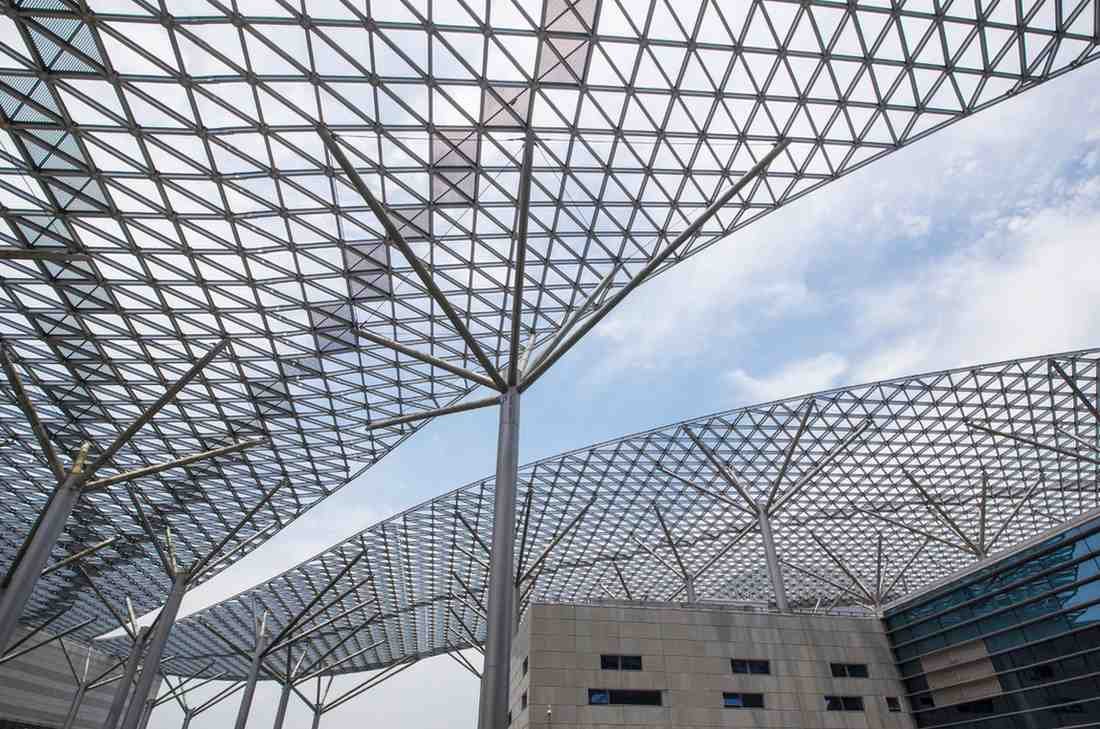
Many modern membrane materials are designed to reflect a significant amount of solar heat rather than absorbing it. This helps create cooler outdoor environments around entrances, walkways, parking areas, and recreational spaces, improving comfort for visitors throughout the day.
Certain membrane systems also allow natural daylight to filter through the structure. Instead of creating dark covered areas, they produce bright, welcoming spaces that reduce the dependence on artificial lighting during daylight hours.
Their lightweight construction also supports sustainable building practices by reducing the amount of raw materials required compared to heavier roofing systems.
For commercial projects aiming to balance environmental responsibility with long-term performance, tensile structures align well with today’s construction priorities.
Built to Last with Minimal Maintenance
Outdoor structures face constant exposure to sunlight, rain, dust, humidity, and changing weather conditions. For commercial property owners, durability is just as important as appearance.
Modern tensile membrane structures are engineered to perform reliably under these demanding conditions.
High-quality membrane materials are manufactured to resist:
- UV radiation
- Moisture and humidity
- Corrosion
- Dust accumulation
- Weather-related wear
- Colour fading
Many premium membranes also feature protective surface coatings that make cleaning easier by preventing dirt from bonding strongly to the fabric.
With routine inspections and proper maintenance, these structures continue to perform for many years while maintaining their architectural appearance. This combination of durability and relatively low maintenance helps reduce long-term operating costs for commercial property owners.
From Retail Centres to Airports: Applications Continue to Grow
One of the biggest strengths of Tensile Fabric Structures is their versatility.
Rather than being limited to one type of project, they can be adapted to suit a wide variety of commercial and public developments.
Some of the most common applications include:
- Car Parking Shades that protect vehicles while improving user comfort.
- Walkway Covers that create safe and shaded pedestrian routes between buildings.
- Entrance Canopies that enhance the appearance of hotels, hospitals, shopping centres, and office buildings.
- Outdoor Dining Areas that allow restaurants and cafés to maximise seating throughout the year.
- Sports and Recreation Facilities that provide weather protection without creating enclosed spaces.
- Corporate Campuses that encourage employees to use outdoor gathering areas.
- Warehouse and Industrial Facilities where loading zones and operational areas require reliable overhead protection.
- Public Parks and Community Spaces that create more enjoyable environments for visitors.
This flexibility allows architects to design solutions that meet both functional requirements and the overall architectural vision of a project.
Selecting the Right Membrane for the Project
Not every commercial project has the same performance requirements.
The choice of membrane material depends on factors such as the intended application, environmental conditions, expected lifespan, maintenance requirements, and design objectives.
Some of the most widely used materials include:
- PVC-Coated Polyester – A versatile and cost-effective solution suitable for commercial canopies, car parking shades, and walkway covers.
- PTFE-Coated Fibreglass – Chosen for landmark developments that require exceptional durability and a longer service life.
- ETFE Membranes – Lightweight and highly transparent, making them ideal for atriums, skylights, and projects where natural daylight is a priority.
- HDPE Shade Fabric – Well suited for open-air applications where ventilation and solar protection are equally important.
Selecting the right material is only one part of the process. Professional engineering ensures the membrane, supporting structure, and installation method work together to achieve reliable long-term performance.
Why Engineering Expertise Makes the Difference
A successful tensile structure begins long before installation.
Every project requires detailed planning to ensure the structure performs safely under real operating conditions. Wind loads, drainage, membrane tension, foundation design, and structural stability must all be carefully considered during the engineering stage.
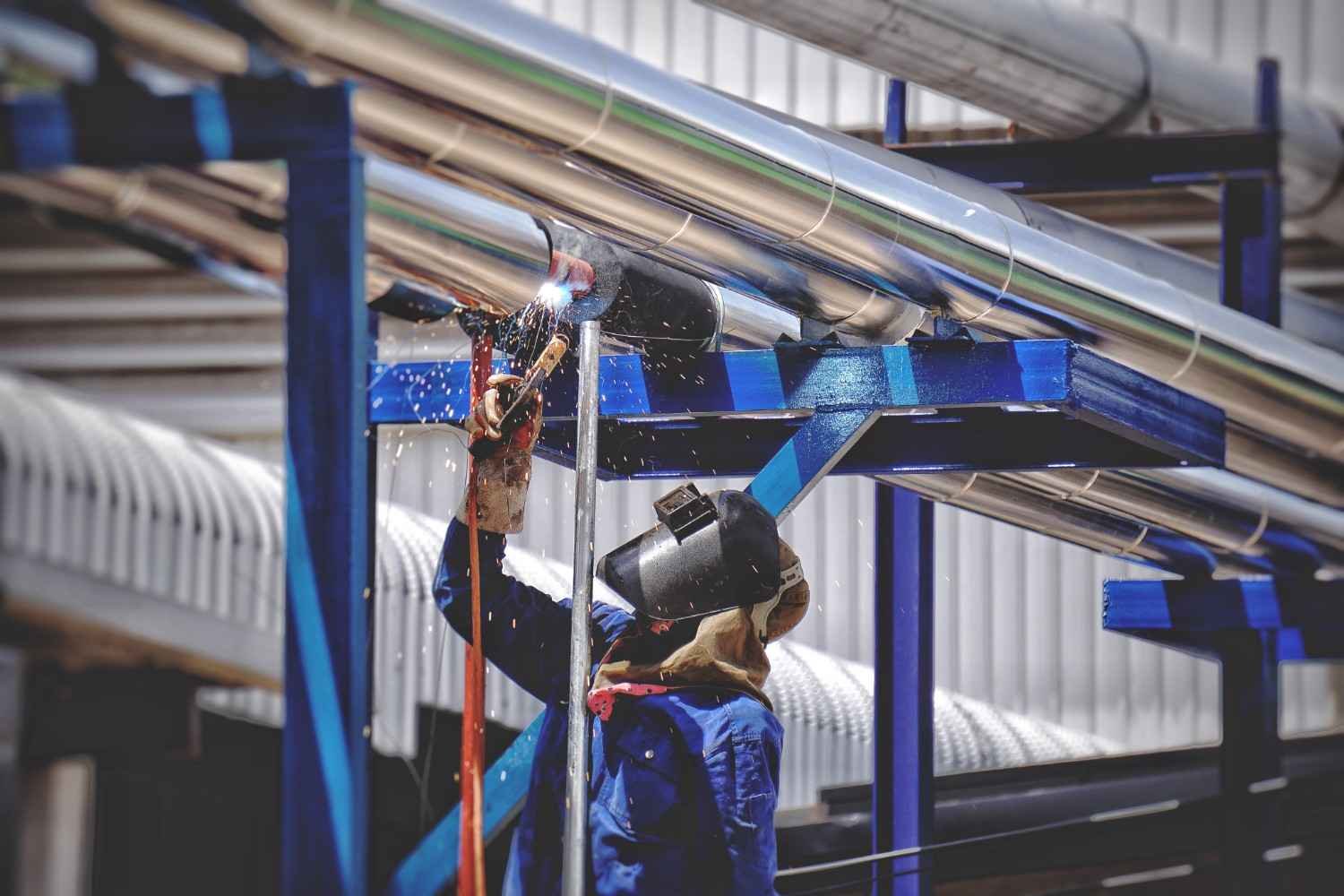
Equally important is the supporting framework. High-quality structural steel fabrication provides the strength and precision needed to support the membrane while maintaining the intended architectural form.
Working with an experienced contractor who manages the entire process—from design and engineering to fabrication and installation—helps ensure the finished structure performs as expected while meeting both functional and aesthetic goals.
Conclusion
Commercial construction is evolving, and so are the expectations placed on modern buildings. Today’s projects need to be visually appealing, cost-efficient, durable, and capable of creating better experiences for the people who use them.
This is why Tensile Fabric Structures have become the preferred choice for modern commercial spaces. They combine innovative design with practical performance, allowing developers to create large, comfortable outdoor environments without the limitations of traditional roofing systems.
From shopping malls and hotels to airports, business parks, educational campuses, and industrial facilities, these structures continue to demonstrate their value through faster installation, lightweight construction, energy efficiency, and long-term durability.
When supported by expert engineering, quality membrane materials, and precision structural steel fabrication, tensile fabric structures become more than just shade solutions—they become an integral part of modern commercial architecture.
As commercial developments continue to prioritise sustainability, functionality, and exceptional design, Tensile Fabric Structures are well positioned to remain one of the most effective and future-ready solutions for creating attractive, high-performing outdoor spaces.