

How Steel Fabrication Supply from the UAE Supports Africa’s Expanding Energy Infrastructure
Energy projects across Africa increasingly depend on steel components that must meet demanding requirements for strength, dimensional accuracy, fabrication quality and installation readiness. Whether the project involves an oil and gas facility, LNG development, power plant, pipeline network or renewable energy installation, fabricated steel is often required in large volumes and within strict project schedules.
For EPC contractors and project developers, the challenge is not simply sourcing raw steel. They need fabricated, engineered and project-ready components that can be transported efficiently to the site and integrated into construction activities with minimal delays. This is where steel fabrication supply from UAE to Africa can offer a practical advantage.
The UAE has developed strong capabilities in structural steel fabrication, pipeline fabrication, pressure vessels and tanks, steel supports and other industrial steelwork, supported by established manufacturing infrastructure and international logistics connections. For African energy projects, sourcing these components from a UAE-based fabrication partner can help simplify procurement while supporting the demanding schedules of large-scale industrial construction.
This makes UAE-based steel fabrication particularly relevant for projects where quality control, fabrication capacity, documentation, logistics and timely delivery are critical to keeping construction moving.
Why Steel Is Essential to Africa’s Energy Expansion
Energy infrastructure depends heavily on steel because projects require materials that can withstand substantial structural, mechanical and environmental demands.
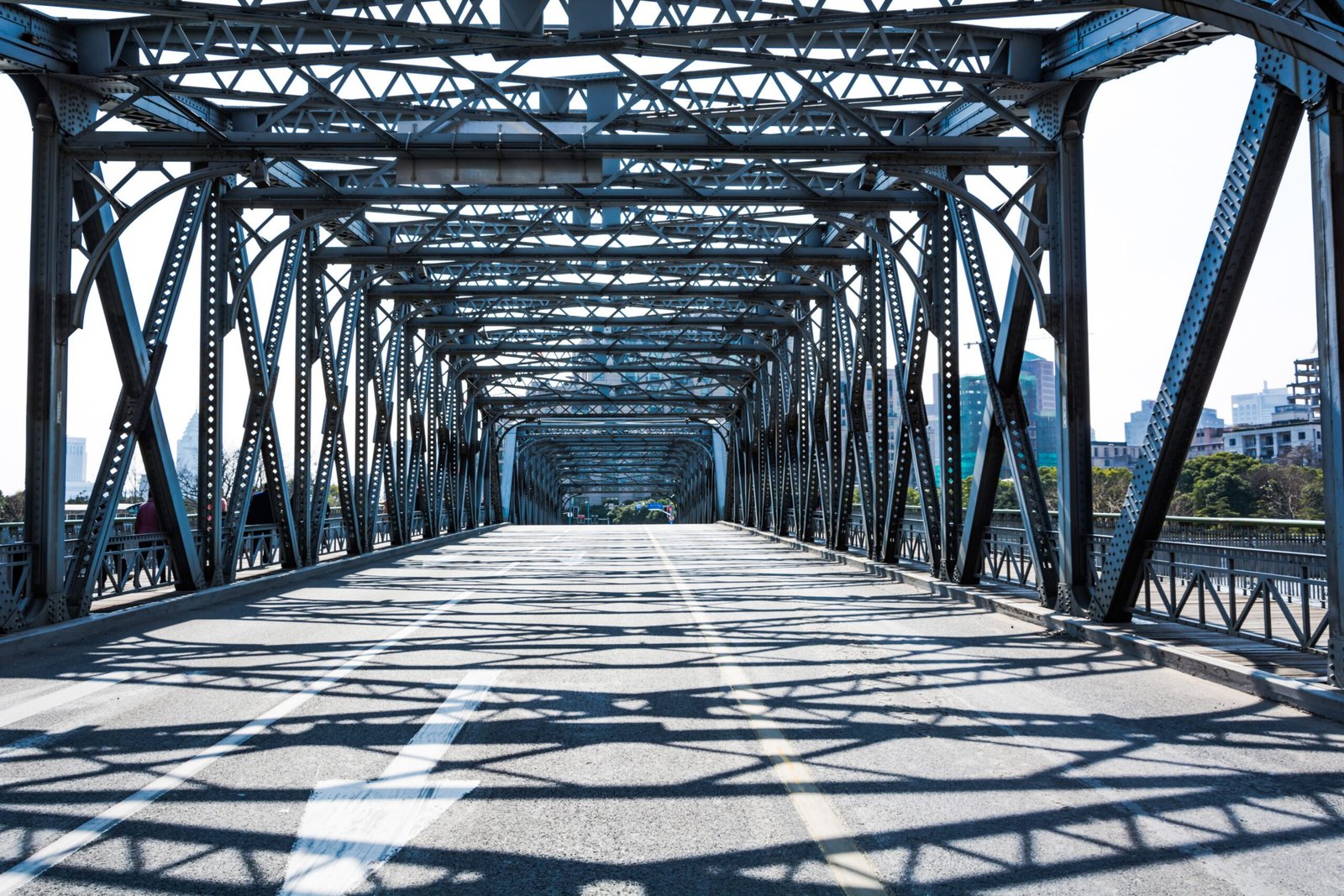
Power plants require structural frames, platforms, pipe racks and equipment supports. Oil and gas developments need pipelines, pressure equipment, storage tanks and fabricated assemblies. Renewable energy projects also rely on steel for solar mounting structures, substations and balance-of-plant infrastructure.
As African countries expand both conventional and renewable energy capacity, demand is therefore growing for structural steel fabrication, industrial steel components and engineered fabricated assemblies.
For project developers and EPC contractors, the challenge is not simply sourcing steel. They need fabricated products that match engineering specifications, quality requirements, project schedules and site conditions.
What UAE Steel Fabricators Can Supply
The strength of the UAE fabrication sector lies in its ability to support both standard steel requirements and more complex engineered packages.
Depending on project specifications, UAE-based suppliers can support African energy developments with structural steel assemblies, pipe racks, platforms, tank supports, pressure vessels, storage tanks, heat exchangers, piping components and modular steel packages. The wider UAE supply ecosystem also supports line pipe, fittings, flanges and renewable-energy support structures.
This creates opportunities for custom structural steel fabrication rather than simply supplying raw materials.
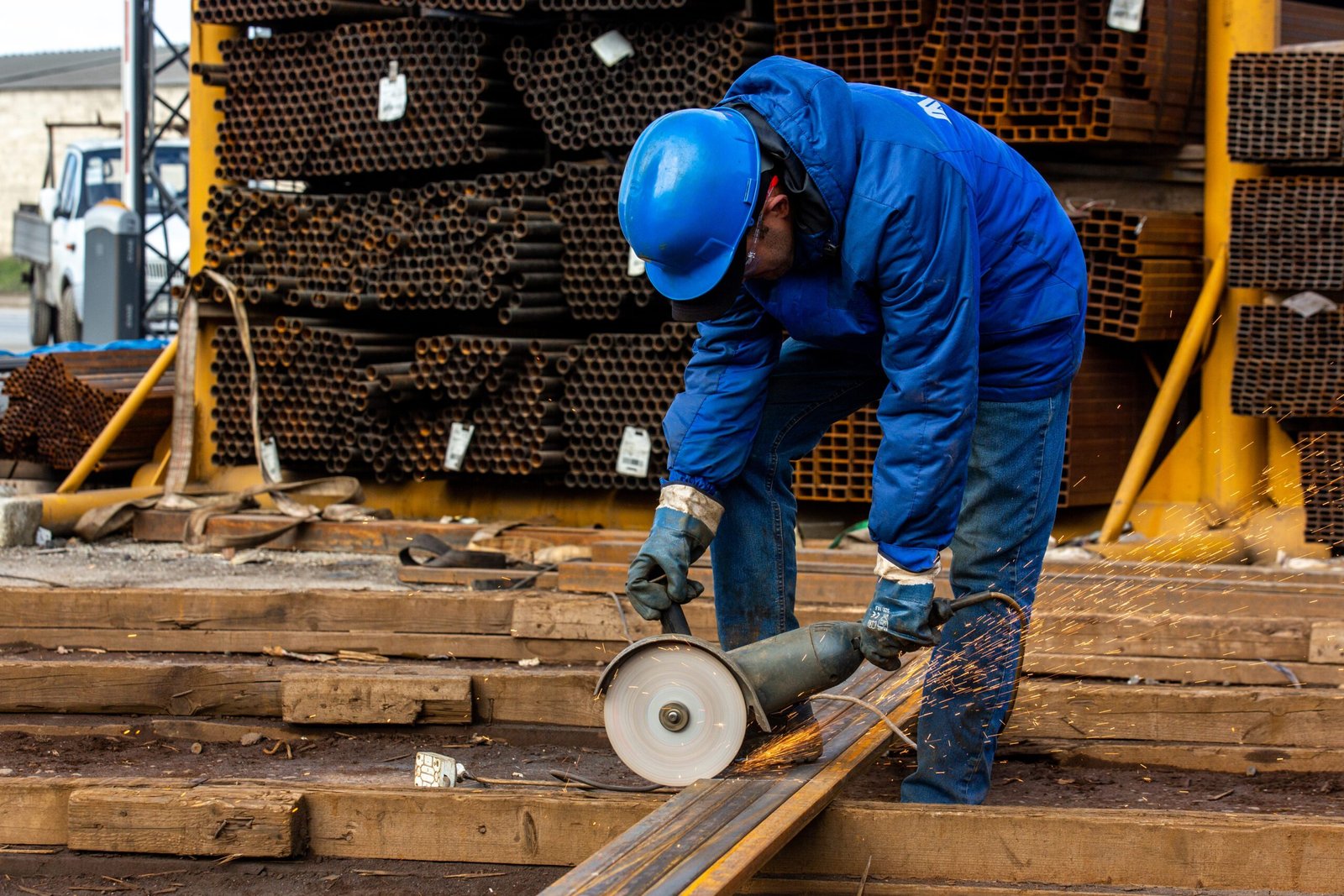
For an EPC contractor, receiving components that have already been cut, drilled, welded, assembled or prepared for installation can reduce the amount of fabrication required at the project site. This can be particularly valuable for projects in remote or infrastructure-constrained locations.
Supporting Different Types of African Energy Projects
The applications extend across several areas of the energy sector.
Oil, Gas and LNG
African oil and gas developments require robust structural and process-related steel systems. Fabricated pipe racks, platforms, pressure vessels, storage tanks and process assemblies can form critical parts of refineries, gas-processing facilities and LNG infrastructure.
These projects often involve demanding specifications, making material traceability, welding quality, inspection and documentation important considerations.
Power Generation and Grid Infrastructure
Power-generation projects require structural steel for equipment supports, platforms and plant structures. Transmission and substation projects also depend on steel structures capable of supporting heavy electrical equipment and network infrastructure.
For large energy programmes, the ability to produce repeatable, accurately fabricated components can help improve construction coordination and installation planning.
Renewable Energy
Africa’s energy transition is creating opportunities beyond conventional energy. Solar and other renewable-energy developments require mounting structures, substations, equipment supports and balance-of-plant steel.
The UAE’s fabrication ecosystem can support these requirements through engineered and prefabricated steel components designed around individual project specifications.
Quality and Traceability Matter as Much as Fabrication
For energy projects, selecting a supplier based only on price can create unnecessary risks. Fabrication quality, documentation and traceability can have a direct impact on inspection, installation and project acceptance.
African EPC contractors increasingly work with international technical requirements and project-specific specifications. Depending on the application, these may include standards such as API, ASME, ASTM, EN and AWS, together with client-specific requirements.
Documentation can also include Mill Test Certificates, non-destructive testing reports, positive material identification records and heat-number traceability. Digital identification systems such as QR-based tracking can further improve the ability to connect fabricated components with their material and quality records.
For buyers, this means a capable UAE steel fabrication supplier should be evaluated not only on fabrication capacity but also on its quality-management processes and documentation capabilities.
How UAE Supply Can Improve Project Coordination
One of the major advantages of fabricated steel is the ability to move part of the construction workload away from the project site.
A typical supply chain may involve fabrication at a UAE facility, shipment through a major UAE port, arrival at an African gateway port and onward transportation to the project location.
When components are properly planned and packaged before shipment, project teams can better coordinate unloading, storage and erection.
However, international steel supply still requires careful logistics planning. Port congestion, inland transportation, shipping conditions, customs procedures and oversized-cargo requirements can all affect project schedules. Using established UAE logistics hubs and planning transportation requirements early can help reduce these risks.
Modularization Is Changing the Way Energy Projects Are Built
Another important development is the increasing use of prefabrication and modularisation.
Instead of completing every fabrication activity on site, EPC contractors can receive pre-assembled racks, skids and structural packages from an experienced fabrication facility. This approach can reduce site welding, simplify installation and help address skilled-labour constraints in remote locations.
For African energy projects, where some sites may be geographically isolated or have limited fabrication infrastructure, modular steel fabrication can provide a practical way to transfer controlled manufacturing processes closer to the engineering and procurement stage.
The Growing Importance of Sustainable Steel Supply
Energy infrastructure is also being influenced by sustainability requirements. International lenders, developers and EPC contractors are paying greater attention to embodied carbon, material traceability and environmental performance.
The UAE steel industry is investing in lower-carbon production approaches, including renewable-energy use and green-hydrogen initiatives. These developments create opportunities for fabricated steel suppliers to provide greater transparency around material origin and environmental performance where project requirements call for it.
For African developers seeking international financing, sustainability information can increasingly become part of supplier evaluation rather than an optional consideration.
Choosing the Right Steel Fabrication Supply Partner
For African energy projects, the right supplier should be assessed across several factors:
- Engineering capability and ability to interpret project specifications
- Fabrication capacity for the required volume and complexity
- Quality control and inspection procedures
- Material certification and traceability
- Welding and testing capabilities
- Experience with international standards
- Packaging and shipment planning
- Documentation and technical support
- Ability to meet project schedules
A supplier that understands the complete process—from engineering and detailing through fabrication, inspection, logistics and delivery—can provide greater value than a supplier competing only on price.
Conclusion
Africa’s expanding energy infrastructure will require more than investment and engineering. It will require dependable supply chains capable of delivering fabricated components that are technically compliant, traceable and ready for installation.
This makes steel fabrication supply from UAE to Africa an increasingly relevant solution for EPC contractors, developers and industrial project owners. The UAE’s fabrication capabilities, engineering expertise and strategic logistics infrastructure provide a strong foundation for supporting projects across oil and gas, power generation, LNG and renewable energy.
For African energy projects, the real value of UAE steel fabrication is not simply the steel itself. It is the combination of engineering precision, controlled fabrication, quality assurance, documentation, modularization and coordinated delivery that can help turn complex project requirements into installation-ready solutions.