

How Structural Steel Fabrication Influences Future Maintenance Costs
Most construction projects treat maintenance costs as something that crops up years after completion—an annoying but inevitable part of building ownership. The reality? Those costs are already baked in much earlier, right at the structural steel fabrication stage. How fabrication gets handled, which materials get chosen, what protective treatments get applied, and how execution standards play out—all of this determines repair frequency, inspection schedules, and refurbishment needs for decades to come.
UAE projects face particularly brutal environmental conditions. Here, fabrication quality isn’t just another box to tick off. It’s what separates structures that age gracefully from ones that become maintenance nightmares—eating up operational budgets while their service life shrinks.
Fabrication Quality Sets the Maintenance Baseline
Structural steel fabrication is the point where durability either gets locked into a project or quietly sabotaged. What happens during fabrication determines how structures hold up under load, weather, and constant use.
Take cutting and fit-up accuracy. When members align exactly as designed, load paths stay balanced. This prevents stress from concentrating in spots that eventually crack or deform. Sloppy fit-up? That’s a different story—endless adjustments, joints under constant stress, components wearing out faster than they should.
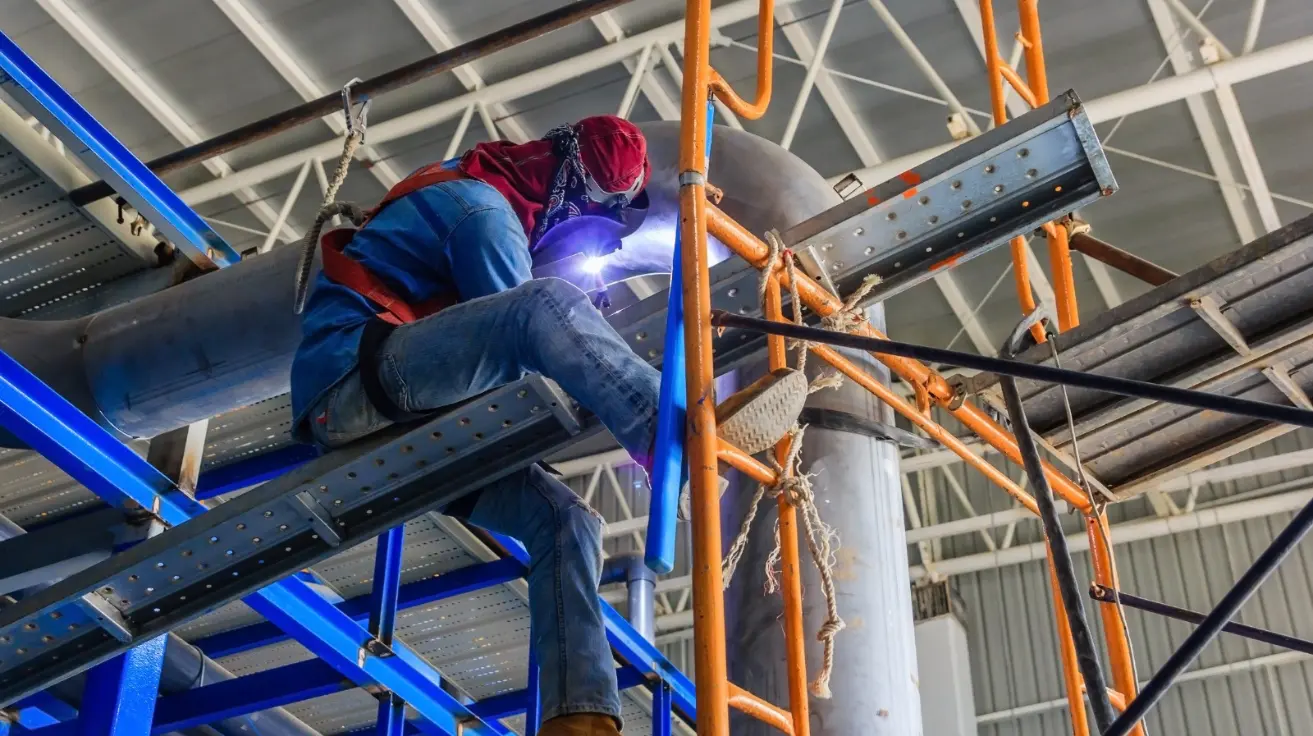
Welding tells a similar story. Proper welds form watertight joints that prevent moisture infiltration. Bad welding leaves tiny gaps and rough patches where water pools, dust settles, and salt accumulates. Corrosion follows, then more frequent repairs, then higher costs.
There’s another angle too. When fabrication follows standardised practices—consistent connection details, logical bolt patterns, uniform components—inspections become straightforward. Teams spot problems faster. Replacement parts don’t require custom orders. Over a structure’s lifetime, this translates to less downtime and lower labor bills.
Protective Treatments Applied During Fabrication
Steel protection during fabrication has massive downstream effects on maintenance. Fabrication shops offer something construction sites can’t match—controlled environments where coatings and treatments get applied properly.
The UAE throws everything at steel structures. High humidity, salt from coastal air, airborne chlorides—conditions in Dubai, Abu Dhabi, and Sharjah don’t give steel a break.
Hot-dip galvanisation handles this environment exceptionally well. The zinc coating acts as a bodyguard—it corrodes first, even when the surface gets scratched. Coastal and industrial environments that destroy untreated steel? Galvanised steel shrugs them off for decades with barely any maintenance.
Epoxy and polyurethane coatings are everywhere in UAE projects, and for good reason. They stand up to UV bombardment, moisture, and chemical exposure. Apply them correctly during fabrication, and the need for constant repainting and surface work drops to near zero.
Newer technologies are making things even better. Some advanced coatings can actually seal minor scratches on their own. These “smart” coatings are starting to show up in specialized applications, cutting inspection frequency and dropping long-term costs further.
Fire protection quality also hinges on fabrication. Applying intumescent coatings off-site, under controlled conditions, ensures even thickness and proper adhesion. This beats on-site application every time, meaning less frequent reapplication and fewer mandatory inspections.
Material Selection and Environmental Compatibility
Which steel grade gets chosen during fabrication determines whether structures thrive or struggle in their environment.
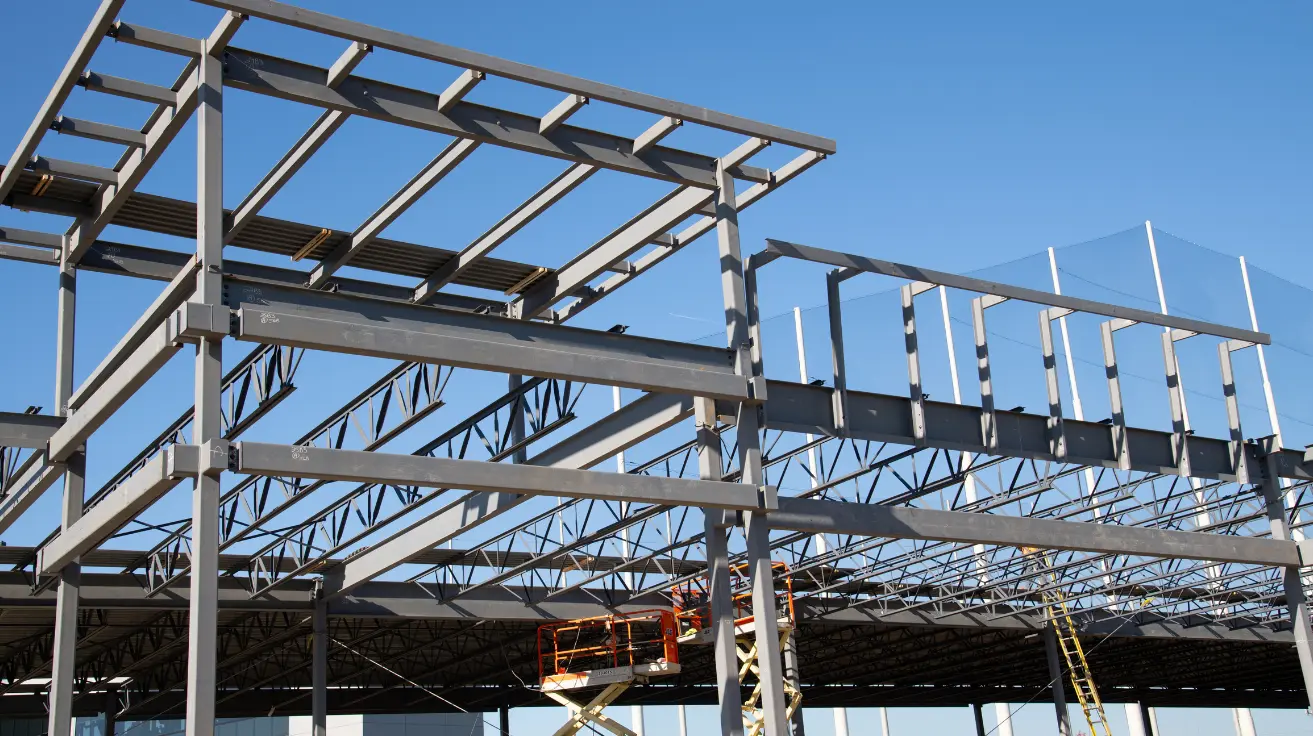
Coastal zones and high-humidity areas demand tougher materials. Stainless steel and corrosion-resistant alloys cost more upfront—sometimes significantly more—but they slash corrosion maintenance to almost nothing. UAE’s iconic high-rises rely on these materials. Structural steel fabrication using environment-matched alloys ensures longevity even in extreme conditions. Without them, maintaining appearance and structural performance in desert heat would be a losing battle.
Vibration-heavy environments need different thinking. Industrial facilities, bridges, mining equipment—these see constant movement. Structural steel fabrication using fatigue-resistant alloys stops micro-cracks before they start and prevents sudden failures. This keeps operations running and avoids emergency repairs that cost a fortune.
When structural steel fabrication accounts for actual operating conditions—environmental exposure, load patterns, expected lifecycle—maintenance stops being guesswork and becomes predictable.
Economic Impact Over the Structure’s Lifecycle
Better fabrication costs more initially. Not always by much, but enough that budget-focused teams sometimes push back. The math flips when you look beyond year one.
Industry data shows that top-tier fabrication practices can drop annual maintenance costs by 20–25% in harsh environments. Compound that over 30, 40, 50 years—the savings become hard to ignore.
Well-fabricated steel with proper protection routinely lasts 50 to 100 years. That delays major rehabilitation or replacement by decades. For commercial and industrial facilities, lower maintenance demands also mean fewer shutdowns. When downtime costs thousands per hour, that matters.
Insurance companies notice quality fabrication too. Structures built to international standards with documented inspection programs often get better premium rates. Fire resistance and corrosion control play big roles here.
Technology, Standards, and the UAE Advantage
UAE construction has leaned heavily into advanced fabrication tech. Automation, CNC machining, robotics, BIM workflows—these tools catch errors that human eyes miss and deliver consistency that manual processes can’t match. Structural steel fabrication in uae equipped with these technologies produce components with tighter tolerances and better quality control. Fewer defects during fabrication means fewer surprises during operation.
International standards like AISC, ASTM, and ISO aren’t suggestions in this region—they’re baseline expectations. Fabricators meeting these standards produce components that behave predictably under stress. Unexpected maintenance drops as a result.
Predictive maintenance is gaining real momentum. Steel components fitted with sensors during fabrication can track stress, movement, and corrosion in real time. Maintenance teams can intervene before damage becomes visible. Catching problems early costs far less than fixing problems late.
Sustainability and Durability Go Hand in Hand
Steel structures that need minimal maintenance support UAE’s Net Zero 2050 strategy in ways that aren’t always obvious. Durable fabrication means less material waste, fewer repainting cycles, reduced need for replacement parts. Add recycled steel and long-life protective systems, and both environmental impact and operational costs drop.
Final Thoughts
Structural steel fabrication shapes more than construction timelines—it determines performance, aging patterns, and costs for decades. Precision fabrication, smart material choices, and robust protective treatments dramatically reduce maintenance demands. In the UAE’s punishing climate, this isn’t optional.
Treating structural steel fabrication as a long-term investment rather than an upfront expense delivers measurable returns in durability, safety, and efficiency. Equally important is choosing a reliable structural steel fabrication in uae partner that actually follows proven standards, maintains quality controls, and understands environmental best practices. That’s what keeps structures dependable and cost-efficient throughout their entire lifecycle.
.