

Industrial Steel Fabrication: Processes, Applications, and Industry Standards
Steel fabrication rarely receives the same attention as architectural design or engineering planning, yet it remains one of the most important stages in any large industrial project. The structural frames of warehouses, the support systems inside manufacturing plants, the towers used in energy infrastructure — all of these rely on fabricated steel components produced long before the final construction phase begins.
Industrial steel fabrication is essentially the process of converting raw steel materials into functional parts that will eventually become part of a larger system. Plates, beams, and structural sections are cut, shaped, welded, and assembled so they can perform reliably under heavy loads and demanding operating conditions.
In many modern projects, the fabrication stage determines how smoothly construction will proceed later. When fabrication is precise, components fit together as intended. When errors occur during fabrication, delays and costly modifications often follow. For this reason, complex projects typically rely on a specialised industrial fabrication company capable of handling both engineering accuracy and large-scale production.
From Raw Steel to Engineered Components
The fabrication process begins long before any cutting or welding takes place. Engineering teams first develop detailed structural models using CAD and BIM systems. These digital models define every dimension of the structure — from bolt holes and connection plates to the exact location of welds.
Once designs are finalized, fabrication workshops translate those digital drawings into physical components. Raw steel arrives in standard forms such as plates, channels, and beams. From there, the materials are gradually transformed into parts that match the structural plans.
Large infrastructure projects often require coordination between engineers, fabricators, and construction teams. In such cases, the role of an industrial fabrication company becomes particularly important because it serves as the bridge between design and on-site assembly.
Cutting and Shaping the Material
The first visible stage of fabrication is usually cutting. Steel must be resized according to the exact measurements defined in the engineering drawings.
Several techniques are used depending on the type of steel and the level of precision required. Laser cutting is widely used when detailed shapes or smooth edges are necessary. Plasma cutting is often preferred for thicker plates because it works faster and handles heavier materials more efficiently. Waterjet cutting is another option, especially when the material must avoid heat distortion.
After cutting, the steel pieces rarely remain flat. Most structures require angles, curves, or cylindrical shapes. Press brakes are used to bend plates into structural angles, while rolling machines produce curved sections used in tanks, pipes, or structural supports.
This stage may appear straightforward, but even small variations can affect how components align during assembly.
Welding and Structural Assembly
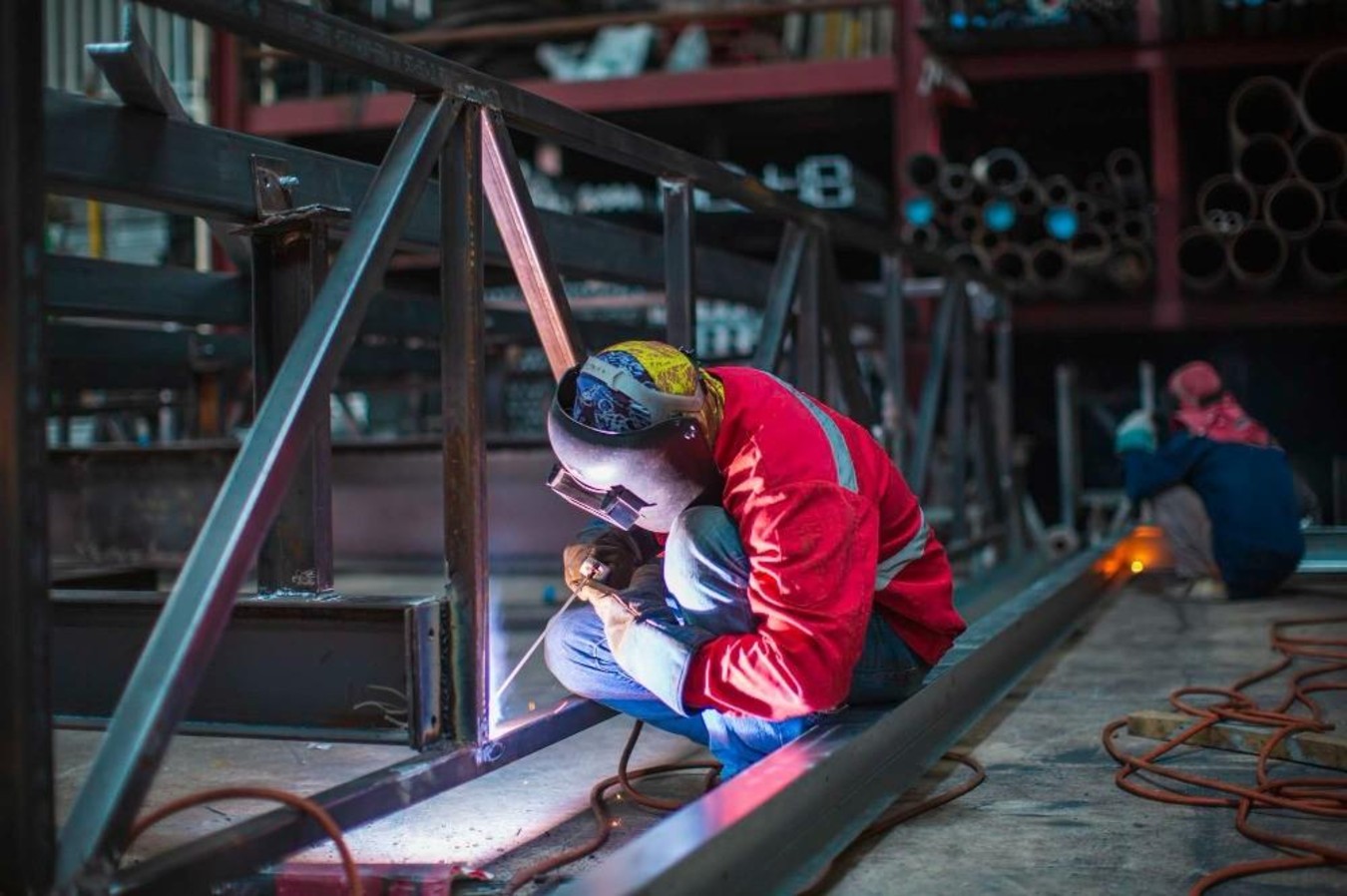
Welding is where separate pieces of steel begin to take the form of a structure. It is also one of the most critical stages in the fabrication process because the strength of the final component depends heavily on the integrity of the welds.
Different welding techniques are applied depending on the project requirements. MIG welding is commonly used for general fabrication because it allows efficient joining of structural components. TIG welding offers greater precision and is often selected when high-quality welds are required. Stick welding continues to be widely used for heavy structural work, particularly when fabrication takes place outdoors or in challenging environments.
Within a controlled workshop environment, welding operations are usually managed by an experienced industrial fabrication company, where procedures, inspection routines, and welder certifications are closely monitored.
Machining and Final Adjustments
Some fabricated components require additional precision before they can be installed. Drilling, milling, and other machining processes are used to refine dimensions or create connection points that must align with other structural elements.
Although machining may represent a smaller portion of the overall fabrication process, it plays a crucial role in ensuring that components fit together accurately once they reach the construction site.
Protecting Steel for Long-Term Use
Industrial steel structures are expected to last for decades, often in environments where corrosion is a serious concern. Protective finishing, therefore, becomes an important part of fabrication.
Galvanising is one of the most widely used protective methods. By coating steel with a layer of zinc, the surface becomes far more resistant to rust and environmental exposure. Powder coating provides another protective option, creating a durable finish that can withstand mechanical wear and environmental conditions.
These finishing processes help ensure that fabricated steel components maintain their performance over long operational lifespans.
Where Fabricated Steel Is Used
Industrial steel fabrication supports a wide range of industries, many of which depend on strong structural materials to maintain safe operations.
Infrastructure development is perhaps the most visible example. Bridges, industrial buildings, logistics facilities, and warehouses all rely on structural steel frameworks that must support heavy loads while remaining structurally stable.
Across the Middle East, many large projects involve collaboration with a structural steel fabrication company in UAE, particularly when structural components must meet strict engineering specifications.
The energy sector also relies heavily on fabricated steel. Wind turbine towers, oil and gas pipelines, pressure vessels, and offshore platforms all depend on structural components capable of withstanding extreme operating conditions.
Manufacturing facilities provide another major area of application. Conveyor systems, machinery frames, equipment platforms, and storage tanks are often fabricated from steel because of its strength and durability. Many of these components are produced within an industrial fabrication company, where fabrication and inspection processes take place under controlled conditions.
Transportation infrastructure also relies on fabricated steel components. Rail systems, shipping containers, vehicle frames, and airport facilities all depend on steel structures designed for long-term performance.
Quality Standards in Steel Fabrication
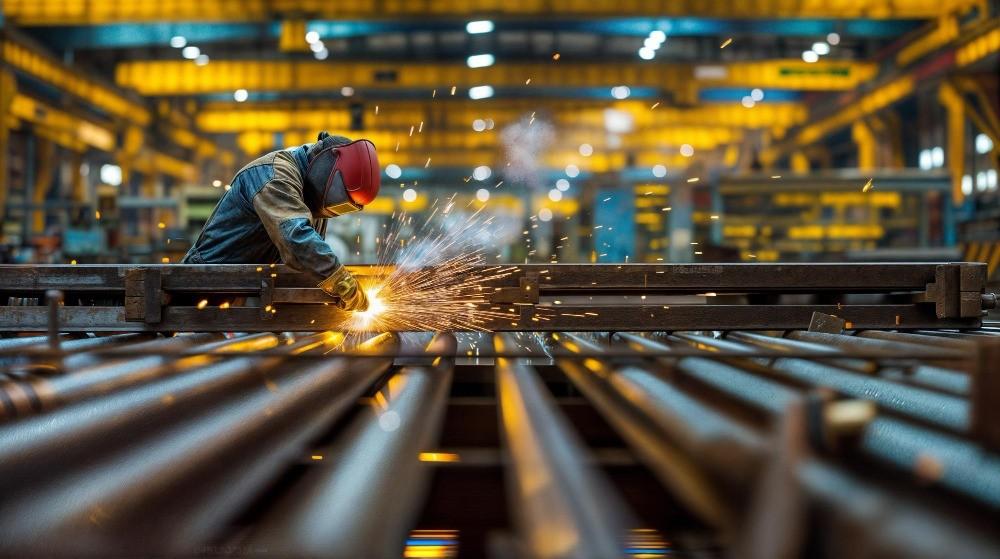
Because fabricated steel components often become part of critical infrastructure, strict standards guide the fabrication process.
Organizations such as the American Institute of Steel Construction (AISC) publish guidelines for structural steel design and fabrication. ASTM standards define material grades used in structural steel. The American Welding Society (AWS) establishes welding procedures and certification requirements, while ISO 9001 outlines quality management systems used across manufacturing industries.
Non-destructive testing methods are also widely used to verify weld quality and detect internal defects. Ultrasonic inspection, magnetic particle testing, and radiographic testing allow engineers to evaluate structural integrity without damaging the material.
Steel Fabrication and the UAE’s Industrial Growth
The UAE has experienced rapid infrastructure development over the past two decades. Logistics hubs, transportation corridors, energy facilities, and industrial zones have expanded across the country, creating steady demand for fabricated steel structures.
As these projects continue to grow in scale and complexity, fabrication capabilities have also advanced. Many developments involve cooperation with a structural steel fabrication company in UAE capable of producing large structural components while meeting regional building codes and engineering standards.
Sustainability and the Future of Fabrication
Environmental considerations are beginning to influence how steel is produced and fabricated. Governments and industrial developers are increasingly encouraging lower-carbon manufacturing practices.
In the UAE, sustainability initiatives linked to the Net Zero 2050 strategy are encouraging the development of greener steel production methods. Hydrogen-based steel production and recycled scrap steel are gaining attention as potential ways to reduce emissions while maintaining structural performance.
These developments are expected to gradually reshape the steel industry in the years ahead.
Conclusion
Industrial steel fabrication remains a crucial step in the development of modern infrastructure and industrial facilities. The process transforms raw steel materials into structural components that support transportation networks, manufacturing systems, energy facilities, and large construction projects.
As engineering designs grow more complex and industrial projects expand in scale, the role of a specialized industrial fabrication company becomes increasingly important. Through careful manufacturing, quality control, and adherence to international standards, fabricated steel structures continue to support many of the systems that modern industries depend on.