

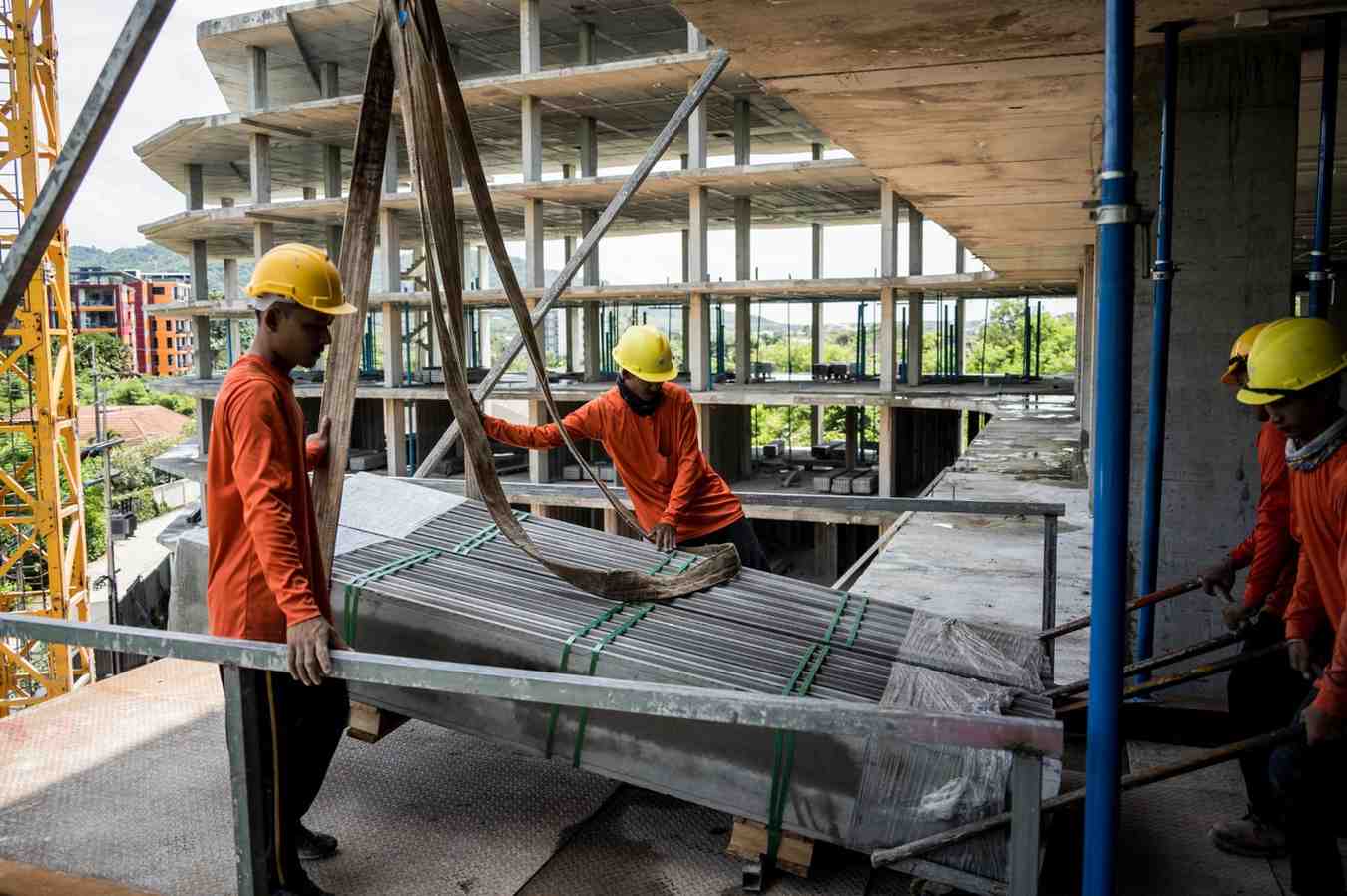
Why Modular Steel Structures Are Ideal for Remote African Infrastructure
Remote and hard-to-reach sites are among the toughest environments for delivering infrastructure. Long transport legs, scarce on-site labour, limited local fabrication capacity and unstable site conditions all push schedules, budgets and quality to the limit. Modular steel construction changes the math: it shifts complexity off site and compresses time on site — exactly what many African projects need today.
Modular steel is not just a faster way to build. For remote projects it reduces risk at nearly every step: predictable factory quality, controlled logistics, simpler on-site assembly, and lower dependency on specialised local trades. When combined with reliable export and logistics channels, modular steel becomes a practical, low-risk route to deliver power, mining camps, substations, logistics hubs and remote workforce accommodation. Recent systematic reviews show modular methods can cut construction time by up to ~50% and reduce material waste dramatically.
1. Faster, safer assembly with factory precision
In a remote setting, weather, limited shelter and inconsistent site labour create variability and errors. Modular steel modules are fabricated in controlled factory conditions, using jigs, CNC cutting and automated welding — the same processes applied in advanced fabrication yards. That means components arrive on site pre-tested, with fewer surprises and far shorter erection windows. The practical effect: shorter exposure to site risks and lower on-site supervision costs. Reviews of modular steel projects consistently highlight these time and quality gains.
2. Logistical predictability — shorter routes, fewer transits
Shipping large steel modules from a central, well-connected fabrication hub simplifies logistics compared with sourcing from multiple, distant suppliers. The UAE is strategically placed between global manufacturing hubs and East/Central Africa; ports like Jebel Ali Port offer high throughput and frequent sailings. New Gulf–East Africa maritime links (for example, scheduled services connecting UAE hubs with Berbera) are increasing routing options and shortening transit times for heavy and oversized cargo — a real advantage when modules must arrive in sequence.
This is why steel Fabrication Supply from UAE to Africa is becoming a preferred model: fewer transits, clearer delivery windows, and established port handling procedures reduce the usual transport headaches for remote projects.
3. Reduced on-site labour demand and simpler assembly sequencing
Remote projects often face skilled labour shortages. Modular delivery converts complex field trades (heavy welding, precision fit-up) into factory tasks. Local site teams focus on alignment, bolting, and mechanical hook-up instead of high-skill fabrication. This reduces dependency on expensive specialist crews flown to site, and shortens the critical path for commissioning. For many African mines, camps and remote substations, that difference is decisive.
Because modules are pre-designed for transport (lift points, splice connections, and standardized interfaces), the on-site sequence is predictable and repeatable — a major asset for phased remote deployments.
4. Better quality control, easier inspection & compliance
Off-site fabrication runs under consistent quality systems: traceable material certificates, weld procedure records, NDT reports and factory acceptance tests. These documents are assembled before shipping and simplify inspection at destination and lender verification for financed projects. For cross-border work, steel Fabrication Supply from UAE to Africa often includes documentation packages that meet common international financing and inspection standards — reducing the risk of hold-ups at customs or during commissioning.
Industry literature highlights how pre-dispatch QA/QC reduces costly rework once modules are on site.
5. Cost certainty and schedule resilience
While modular steel may have a higher upfront fabrication cost than purely local, low-spec steel, the total installed cost profile often proves superior for remote projects. Savings come from shorter site stays, reduced weather delays, less rework and lower logistics handling at destination. Studies estimate modular approaches can reduce total project time by around 30–50% in many settings, which translates directly to lower overhead and faster revenue or operation start.
This is a core reason to prefer steel Fabrication Supply from UAE to Africa for remote work: the combined logistics and factory quality convert uncertain local execution into a predictable program.
6. Design flexibility — modules that meet harsh environments
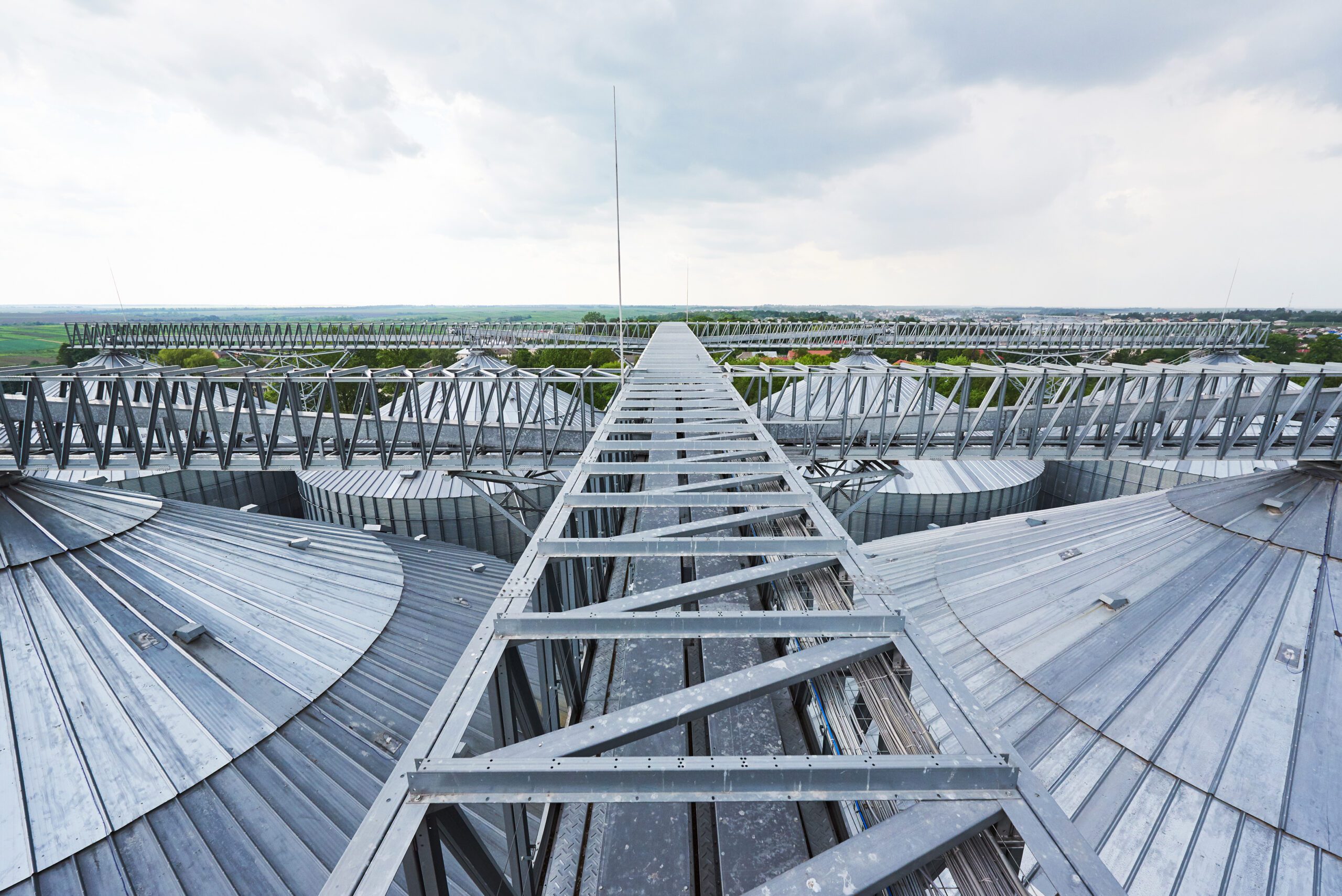
Modules can be engineered for specific environmental loads: higher galvanization/coatings for coastal sites, thermal breaks for desert heat, or extra bracing for high-wind corridors. Advanced fabricators can incorporate these requirements at the design and shop-drawing stage and validate them through BIM and structural checks — avoiding costly on-site redesign.
When modules include full mechanical and electrical skids (pre-piped and pre-wired), they reduce field integration time and minimise interface risk — especially valuable where technical supervision is limited.
7. Environmental and sustainability advantages
Factory production reduces material waste and allows for better recycling streams for steel offcuts. Shorter vehicle movements to remote sites reduce transport emissions. Modular systems also support future reuse: modules designed for disassembly can be relocated or repurposed, improving life-cycle value in rapidly evolving markets.
Recent reviews show modular steel can achieve substantial waste reductions compared with traditional construction—an important consideration for funders seeking ESG compliance.
8. What remote African projects should ask their fabricator
When considering a modular strategy, owners and EPCs should require evidence on four fronts:
- Factory capability & QA — show material certificates, welding procedures and FAT reports.
- Transport experience — provide routes, handling methods and contingency plans for each port of call.
- Assembly sequencing — supply erection drawings, lift plans and required site-scope (bolting, grouting, hook-ups).
- Documentation for financiers/inspectors — pre-shipment QA packs, NDT reports and traceable mill certificates.
Asking these questions early separates confident modular suppliers from those treating modular as a marketing phrase.
9. How Kingston brings modular steel to remote African sites
Kingston Technical Contracting LLC combines in-yard modular fabrication skills with export logistics experience — the two capabilities remote projects need most. Modules manufactured in controlled yards are shipped with full documentation, staged across reliable UAE port nodes, and delivered with coordinated installation support. This reduces surprises on arrival and keeps the construction program predictable.
For remote projects, steel Fabrication Supply from UAE to Africa through experienced partners delivers the predictability that local ad-hoc sourcing often cannot match. This reliability is further strengthened when supported by structural steel fabrication UAE, where advanced fabrication facilities and strict quality controls ensure modules are engineered for efficient transport and precise on-site assembly.
Conclusion — When modular steel is the right answer
Modular steel construction is not a universal cure, but for remote African infrastructure it solves a concentrated set of problems: uncertain site conditions, scarce skills, long logistics chains and inspection risk. Where site access is difficult and timelines matter, modular steel offers a clearer path to delivery.
Choosing modular means choosing a system: design for transport, fabricate to documented standards, ship using established corridors, and assemble with a clear erection plan. For many remote African projects, steel Fabrication Supply from UAE to Africa — backed by experienced fabricators and reliable port routes — turns a risky project scenario into a manageable delivery plan.