

Building Faster: Why African Infrastructure Projects Are Turning to Steel Construction
Africa is in the middle of one of the most ambitious infrastructure pushes the world has seen in decades. Industrial parks, logistics corridors, power facilities, warehouses, manufacturing centres — the demand is enormous, and it keeps growing. But simply building more infrastructure is no longer enough. The real pressure today is on how quickly and how reliably projects get delivered.
For developers, investors, and governments, that pressure has started to shift construction thinking in a meaningful direction. Shorter delivery timelines, tighter cost control, and predictable outcomes are driving a serious look at alternatives to traditional building methods. Steel construction is increasingly the answer — and steel fabrication supply from UAE to Africa is emerging as one of the more strategic sourcing decisions developers are making right now.
Africa’s Infrastructure Gap Is Really a Delivery Gap
Funding is not the primary obstacle. In many markets across the continent, financing exists, demand is clear, and project pipelines are active. What keeps slipping is execution — projects that take longer than planned, run over budget, or face repeated interruptions that push completion dates further and further out.
Weather disruptions, labour availability, procurement delays, difficult logistics, and complex site coordination all play a role. These aren’t new problems, but they’ve become more costly as the pressure to bring facilities online quickly has intensified.
Steel construction directly addresses several of these friction points, which explains why its adoption across Africa has been accelerating.
Why Developers Are Choosing Steel
Speed That Translates Into Commercial Value
For most project types, faster construction means earlier revenue. That’s especially true in the warehousing, logistics, manufacturing, and energy sectors, where an operational facility generates returns while a delayed one burns capital.
Steel’s advantage here comes from how work is structured. Structural components are fabricated off-site while foundation and civil works proceed on the ground simultaneously. By the time the groundwork is done, the steel is ready to be erected. That kind of parallel scheduling is simply not possible with traditional concrete construction, where most activities happen sequentially, and each stage has to cure, dry, or set before the next can begin.
This compression of the overall project timeline — not just one phase of it — is what makes steel fabrication supply from UAE to Africa particularly attractive for time-sensitive projects.
Less Exposure to Weather Delays
Seasonal rainfall patterns are a serious constraint across many African regions. Concrete pours, curing periods, and general site activity all suffer when the rains arrive. Steel fabrication, happening inside a controlled facility rather than on an open site, simply doesn’t have this vulnerability.
When components arrive at the project site, installation moves quickly. Bolted connections and pre-planned erection sequences mean less dependence on perfect weather windows. Projects that would have stalled for weeks under heavy rain can instead maintain forward momentum through the season.
Quality That Comes from the Factory, Not the Field
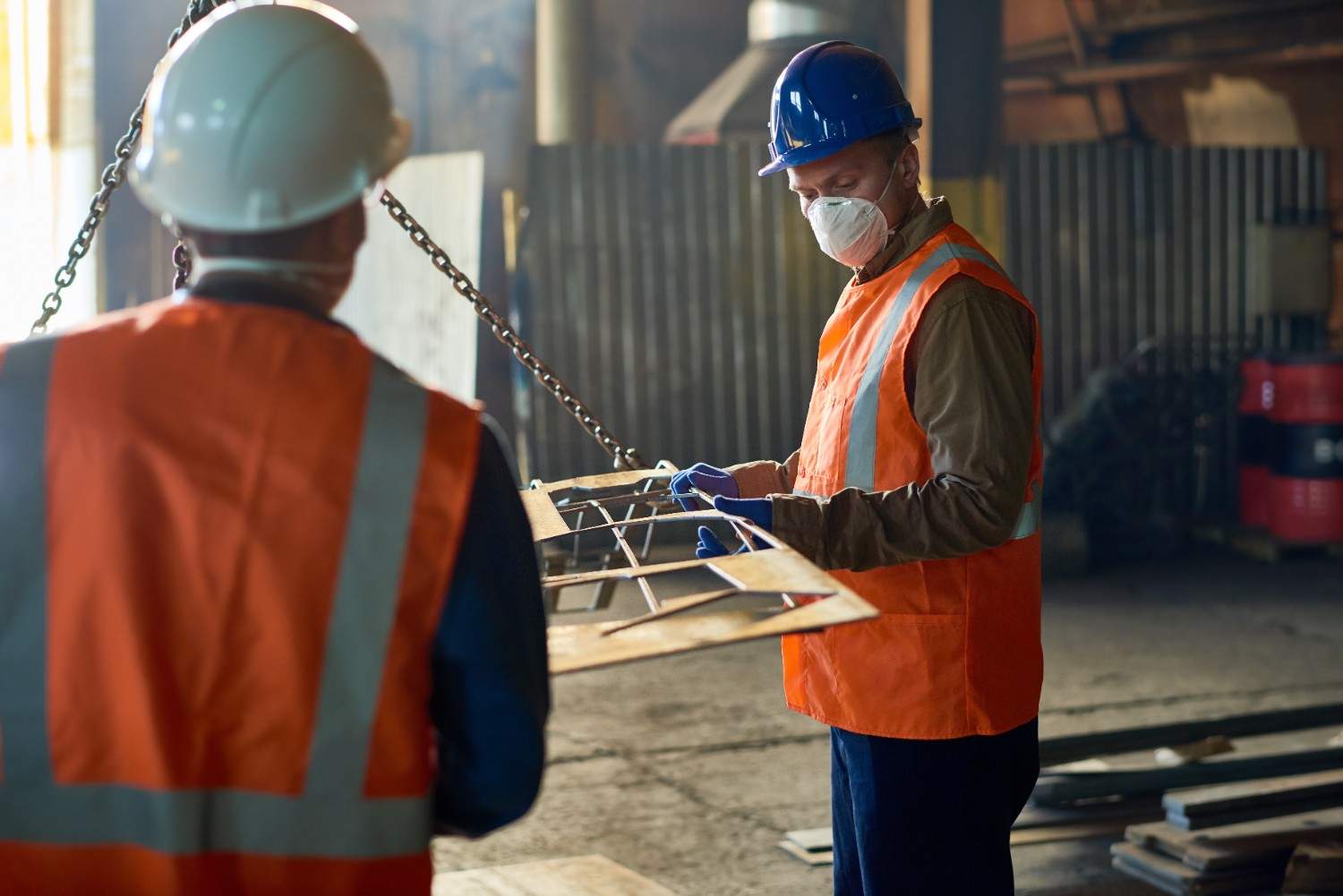
There’s a genuine quality advantage to structural steel fabrication manufacturing components under controlled conditions rather than building them in the open. Factory-based fabrication uses precision cutting systems, automated welding equipment, and documented inspection procedures that are difficult to replicate consistently on a busy construction site.
The result is tighter tolerances, less material waste, and significantly less rework — all of which reduce cost and programme risk. For large industrial facilities or public infrastructure projects where structural consistency is critical, this matters considerably.
Steel fabrication supply from UAE to Africa draws on facilities that operate under internationally recognised quality standards, giving developers confidence that what arrives on site is exactly what was specified.
Meeting the Demands of Africa’s Industrial Expansion
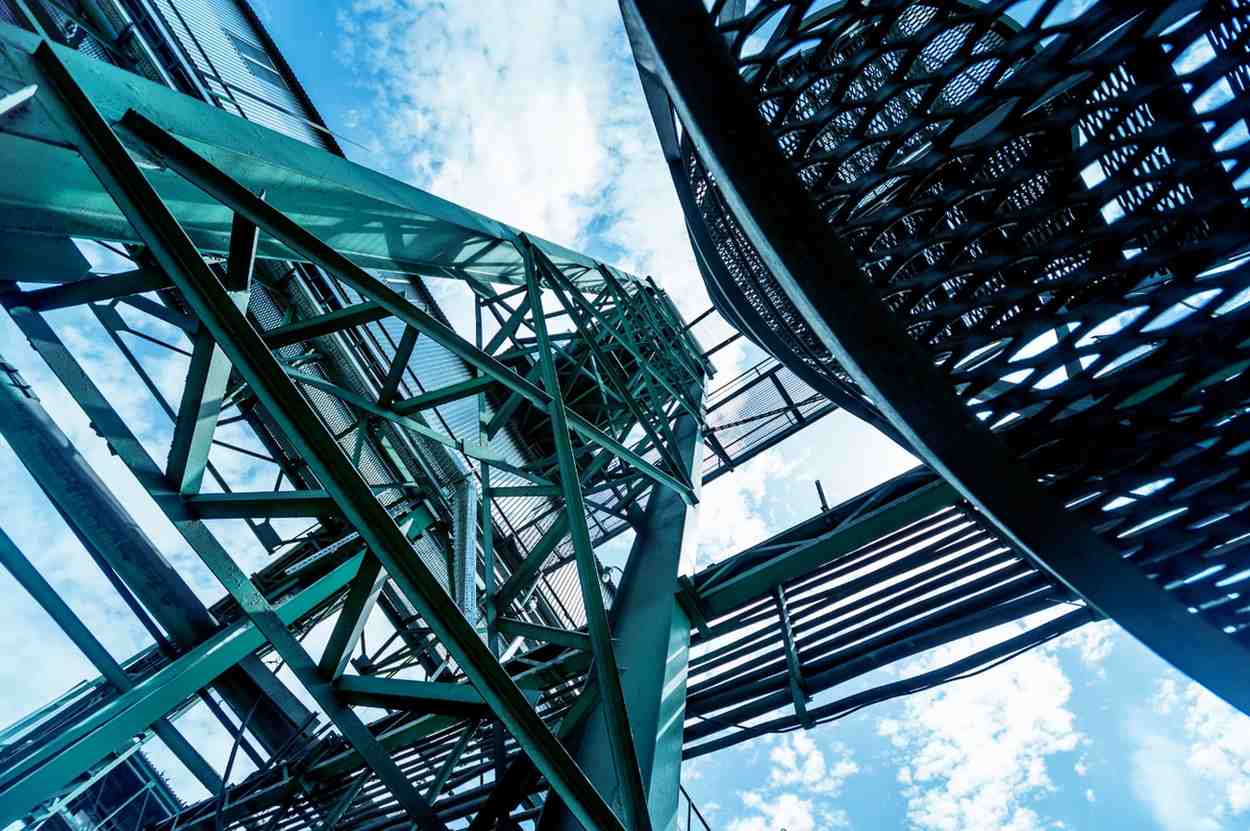
Industrial growth across the continent is one of the strongest drivers of steel construction demand. Industrial parks, logistics hubs, cold storage facilities, processing plants, distribution centres — these project types share several requirements that steel satisfies particularly well.
Long clear spans allow flexible internal layouts without columns interrupting operational flow. Steel structures carry lighter loads than concrete alternatives, which often allows lighter foundations. And perhaps most practically, they can be extended — additional bays, mezzanine levels, or connected structures can be added as a business expands, without demolishing existing work.
As industrialisation accelerates across East, West, and Southern Africa, this adaptability is proving to be a genuine long-term asset, not just a construction convenience.
The Logistics Advantage Behind UAE Supply
Infrastructure projects are only as efficient as the supply chains behind them. The UAE has developed into one of the world’s more strategically positioned manufacturing and logistics hubs, and its proximity to key African trade routes is not incidental to why steel fabrication supply from UAE to Africa has grown so significantly.
Jebel Ali Port, one of the largest container ports in the world, provides direct access to major African import corridors. Transit times are predictable, shipping routes are well-established, and the logistics infrastructure supporting delivery has been refined over years of high-volume trade.
For a project with a firm delivery deadline, the certainty that comes from a reliable supply route is genuinely valuable. Engineering quality matters, but so does knowing when components will arrive.
Built to Perform in African Conditions
African infrastructure faces a wide range of environmental stresses — coastal salt air, high humidity, intense heat, heavy seasonal rainfall, and in some locations, extremely remote operating environments. A steel structure that doesn’t account for these conditions won’t perform as expected over a 20- or 30-year asset life.
Modern structural steel systems address this through advanced protective treatment applied during fabrication:
- Zinc-rich coatings that provide sacrificial protection against corrosion
- Hot-dip galvanising for full surface coverage on exposed sections
- Polyurethane finishes are suited to extreme UV and humidity environments
- Specialised thermal coatings for high-temperature industrial applications
These systems, applied properly in a controlled fabrication environment, extend service life substantially and reduce the maintenance burden throughout the operational life of the asset.
Sustainability Is Now Part of the Procurement Conversation
Environmental performance is no longer a secondary consideration in infrastructure project finance. Development institutions, international investors, and project financiers increasingly assess sustainability credentials alongside financial returns.
Steel has a credible sustainability story. It’s one of the most recyclable structural materials in existence, and modern fabrication processes are more efficient with material than previous generations. Off-site fabrication also reduces site waste, minimises ground disturbance, and shortens the period of active construction impact on surrounding communities.
At the end of an asset’s operational life, structural steel components can be recovered and recycled — a genuine circular outcome rather than a demolition liability. For projects competing for sustainability-linked finance or operating under ESG reporting requirements, this matters in a direct commercial sense.
The Deeper Value: Predictability
Speed, quality, and sustainability are all important. But the most underrated advantage of steel construction may simply be predictability.
Infrastructure project overruns are rarely caused by a single catastrophic event. More often, they accumulate — a few days lost to weather, a week waiting for rework, a delay when a critical pour doesn’t pass inspection, a scheduling gap because one trade can’t start until another finishes. These compounding delays erode margins, push revenue, and test relationships with investors and end users.
Prefabricated steel systems shift much of the critical production work into an environment where these disruptions simply don’t apply. Factory schedules are insulated from weather, labour shortages on a construction site don’t affect fabrication progress, and quality is verified before components leave the facility.
The result — better schedule control, more consistent quality, fewer surprises, and greater confidence in cost forecasts — is why steel fabrication supply from UAE to Africa continues to gain traction among EPC contractors, developers, and infrastructure investors who have been burned by the alternatives.
Final Thoughts
Africa’s infrastructure ambitions are not in question. The investment is real, the demand is clear, and the political will exists in many markets to push projects through. What continues to challenge delivery is the gap between intention and execution.
Steel construction doesn’t solve every problem, and it’s not the right answer for every project type. But for industrial, logistics, energy, and commercial facilities — where speed, quality, and adaptability are priorities — it addresses the delivery challenges that matter most.
As industrialisation deepens across the continent and the pressure on infrastructure timelines intensifies, steel fabrication supply from UAE to Africa will remain a practical, commercially sound solution for developers who need to build not just ambitiously, but reliably.