

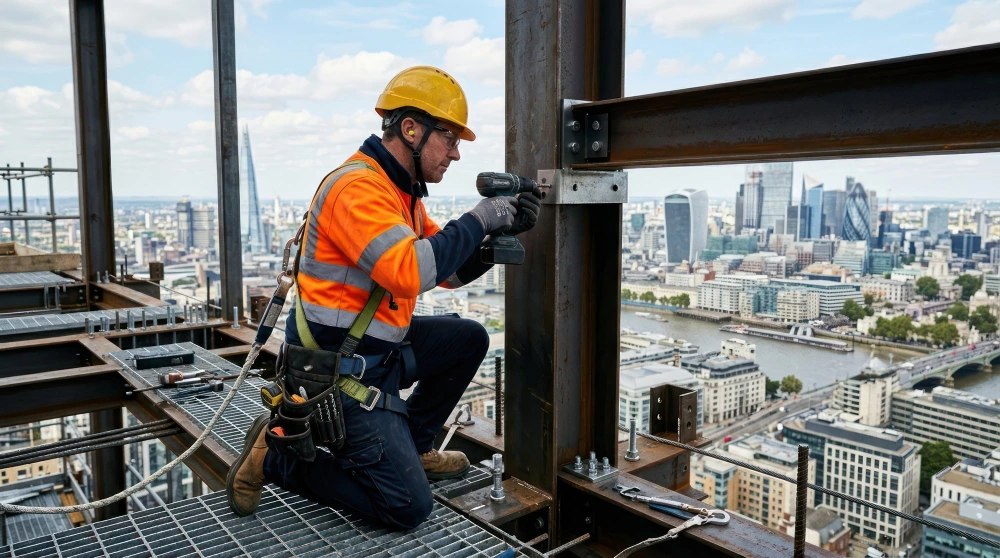
Dubai Building Safety Law: What It Means for Steel Structures
Dubai is placing greater emphasis on the quality, safety and long-term condition of existing buildings. Law No. (3) of 2026 Concerning the Quality and Safety of Buildings introduces a formal framework for structural assessments, periodic maintenance and technical compliance. The law applies to buildings across Dubai, including those in free zones and special development areas, subject to applicable exemptions.
For buildings that rely on structural steel, these requirements highlight the importance of material quality, fabrication accuracy, connection integrity and long-term protection. Warehouses, industrial facilities, commercial buildings, mezzanine floors and steel support structures all depend on properly designed and fabricated steel components. Over time, corrosion, damaged coatings, weakened connections and unauthorised modifications can affect their structural performance.
Understanding the new requirements also highlights why quality structural steel matters from the beginning of a construction project. Proper material selection, installation and documentation help support structural reliability throughout a building’s service life.
Understanding Dubai Law No. (3) of 2026
Dubai Law No. (3) of 2026 establishes a framework for assessing existing buildings and confirming their structural condition and suitability for continued use.
Under Article 9, building owners must obtain a Quality and Safety Certificate once 20 years have passed from the date of the building’s Completion Certificate. The assessment must be conducted by an appropriately classified engineering firm registered with the relevant authority.
Where technical testing is required, the engineering firm must appoint a laboratory licensed in Dubai and accredited by the Emirates International Accreditation Centre (EIAC).
The validity of the Quality and Safety Certificate depends on the building’s age:
- Buildings less than 40 years old: The certificate remains valid for 10 years.
- Buildings 40 years old or older: The certificate remains valid for 5 years.
The law also requires owners to maintain buildings before they reach the 20-year mark and rectify defects that could affect structural safety. Obtaining a certificate does not remove the responsibility for continued maintenance.
Owners can refer to the official Dubai Law No. (3) of 2026 for the complete regulatory requirements.
How Dubai’s New Building Safety Law Affects Structural Steel
Structural steel is widely used in warehouses, industrial buildings, commercial developments and infrastructure projects across the UAE. Its strength, flexibility and ability to support large spans make it suitable for different construction applications.
However, the long-term performance of a steel structure depends on more than its initial strength. Material selection, fabrication quality, welding, protective treatments and installation all influence how well the structure performs over time.
The following areas deserve particular attention during structural assessments.
Corrosion Protection and the Durability of Structural Steel
Steel structures in the UAE are exposed to humidity, airborne salts, dust and high temperatures. These environmental conditions can gradually affect protective coatings and increase the risk of corrosion.
Corrosion commonly develops around column bases, exposed connections, roof structures, support brackets and areas where moisture collects. If left untreated, it can reduce the effective thickness of steel members and affect their load-bearing capacity.
During structural assessments, engineers may examine:
- Steel beams, columns and supporting members.
- Welded and bolted connections.
- Base plates and anchor bolts.
- Roof structures and exposed steel supports.
- Areas with visible coating damage or corrosion.
For new steel installations, appropriate surface preparation and corrosion-resistant coating systems are essential. The protection method should suit the project’s environmental exposure, steel grade and technical specifications.
Quality fabrication also involves ensuring that steel components receive the specified surface treatment before installation. This helps reduce premature deterioration and supports long-term structural performance.
Fire Protection Considerations for Structural Steel
Fire protection is another important consideration for buildings containing structural steel. Although steel is a non-combustible material, its strength and load-bearing capacity decrease when exposed to high temperatures.
Passive fire protection systems help delay the heating of structural steel during a fire. Common methods include intumescent coatings, cementitious fireproofing sprays and fire-resistant boards.
During building assessments, engineers may identify damaged coatings, missing fire protection or unauthorised alterations that require further investigation.
Fit-out activities, equipment installations and service modifications can also damage existing fireproofing systems. Unsealed service penetrations may compromise the intended level of protection.
Building owners should maintain relevant product approvals, application records and inspection documentation. The installed fire protection systems should comply with the relevant provisions of the UAE Fire and Life Safety Code.
Welding Quality, Bolted Connections and Structural Modifications
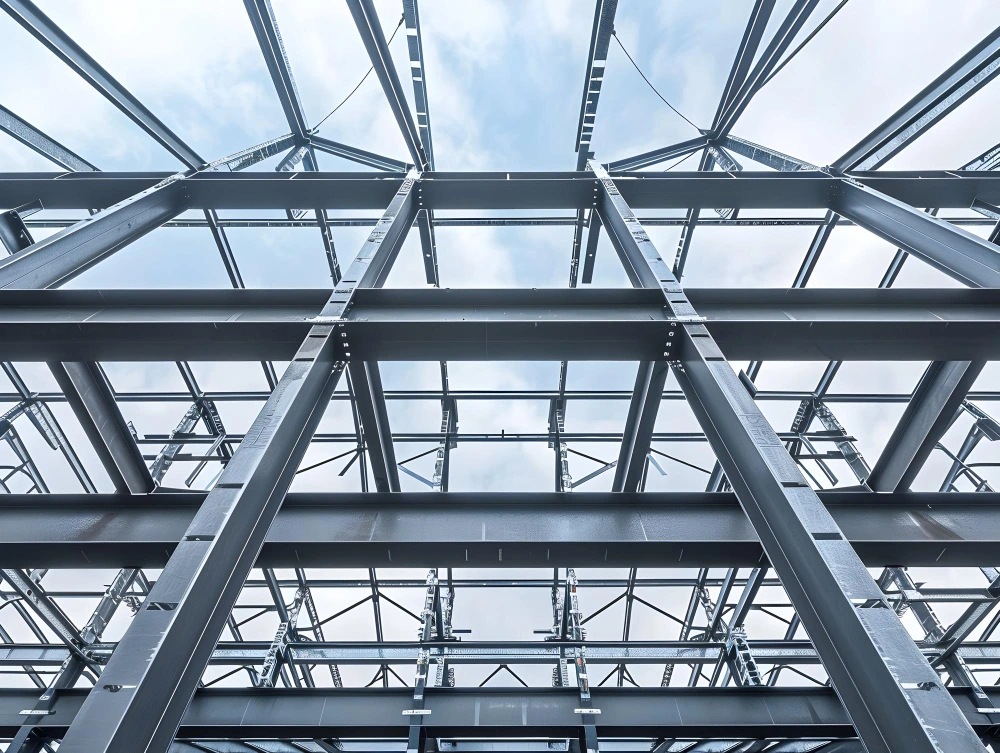
Connections play a critical role in transferring loads between structural steel members. Even when beams and columns appear to be in good condition, defects in welds, bolts or connection plates can affect the stability of the overall structure.
Structural assessments may examine:
- Weld condition and visible cracking.
- Bolted connections and fastening arrangements.
- Column bases, base plates and anchor bolts.
- Connection plates and supporting brackets.
- Signs of deformation, excessive movement or structural damage.
Fabrication quality directly influences the reliability of these connections. Approved drawings, suitable welding procedures, qualified welders and proper inspection practices help ensure that fabricated components meet the required specifications.
Structural modifications also require careful engineering review. Adding rooftop equipment, solar panels, mezzanine floors, signage or mechanical installations can introduce additional loads that were not considered in the original design.
Such changes should be reviewed by a qualified structural engineer before implementation, with the necessary approvals obtained. Proper installation is equally important, making professional steel erection an important part of ensuring that fabricated components are assembled according to approved engineering drawings and project specifications.
Facade Supports, Steel Brackets and Hidden Structural Components
Steel components are frequently used to support external cladding, facade systems, canopies and architectural features. These include secondary steel frames, brackets, anchors and connection assemblies.
Because many of these components are concealed behind facade panels, deterioration can remain unnoticed for long periods.
Corrosion, loose anchors, damaged connections and unapproved modifications can affect the stability of supported facade elements.
Where concealed steelwork requires investigation, engineers may use specialist access methods and non-destructive testing (NDT) to examine component conditions without extensive dismantling.
Accurate steel structure fabrication and installation help ensure that secondary supports, brackets and connection assemblies meet the required project specifications.
Why Structural Steel Fabrication Quality Matters for Building Safety
Building safety starts during the design and fabrication stages, long before a structure is handed over. The quality of fabricated steel components has a direct influence on their performance, durability and ability to meet the intended design requirements.
For warehouses, industrial buildings, commercial structures, pipe racks and mezzanine floors, every component must be manufactured according to approved engineering drawings and material specifications.
Key quality considerations include:
- Material Selection and Traceability: Steel grades must match approved specifications. Material certificates should be maintained to verify the quality and suitability of the supplied materials.
- Welding Procedures: Welding should follow approved procedures, with appropriately qualified welders and suitable inspection arrangements.
- Dimensional Accuracy: Member dimensions, alignment, connection holes and fabrication tolerances must be checked against approved drawings.
- Inspection and Testing: Required inspections and non-destructive testing should be completed to identify defects and verify fabrication quality.
- Surface Preparation and Coating: Suitable surface preparation and protective coating systems help minimise corrosion and extend the service life of steel components.
- Technical Documentation: Fabrication drawings, inspection reports, material certificates, welding records and as-built information should be properly maintained.
These quality practices help establish confidence in the fabricated structure. They also provide useful technical information when an existing building undergoes a structural condition assessment.
For this reason, reliable structural steel fabrication is not simply about producing steel components. It involves maintaining accuracy, consistency and quality throughout design coordination, fabrication and erection.
Steps Building Owners Should Take to Maintain Structural Steel Safety
Building owners and facility managers can take several practical steps to prepare for structural assessments and maintain the condition of steel structures.
Review Existing Structural Documentation
Collect original structural drawings, design calculations, fabrication documents, material certificates and handover records. Confirm the date of the building’s Completion Certificate to understand the applicable assessment requirements.
Arrange Professional Structural Assessments
Appoint an appropriately classified engineering firm to evaluate the building’s structural condition. The assessment should identify visible defects and areas requiring further technical investigation.
Examine Steel Components and Connections
Pay attention to beams, columns, roof structures, welded joints, bolted connections, base plates and steel support systems. Investigate visible corrosion, deformation and damaged components.
Review Protective Coatings and Fireproofing
Check whether corrosion protection and passive fire protection systems remain in suitable condition. Arrange appropriate repairs or further assessments where deterioration is identified.
Review Structural Modifications and Additional Loads
Ensure that added mezzanines, rooftop equipment, machinery, signage and other modifications have undergone the required engineering reviews and approvals.
Maintain Fabrication and Inspection Records
Keep material certificates, welding documentation, inspection reports, maintenance records and details of completed repairs. Accurate documentation can support future structural assessments.
Conclusion
Dubai Law No. (3) of 2026 places greater emphasis on the continued safety and condition of existing buildings. For steel structures, corrosion, fire protection, connection integrity, façade supports and unauthorised modifications are important areas that require attention.
The legislation also reinforces the importance of quality from the beginning of a construction project. Reliable Structural Steel Fabrication, controlled welding, suitable protective coatings, accurate installation and organised technical documentation all contribute to long-term structural performance.
For developers, contractors and property owners across the UAE, treating structural safety as an ongoing responsibility is essential to maintaining dependable buildings and protecting long-term asset value.