

Why Steel Erection Projects in the UAE Get Delayed and How to Prevent Them
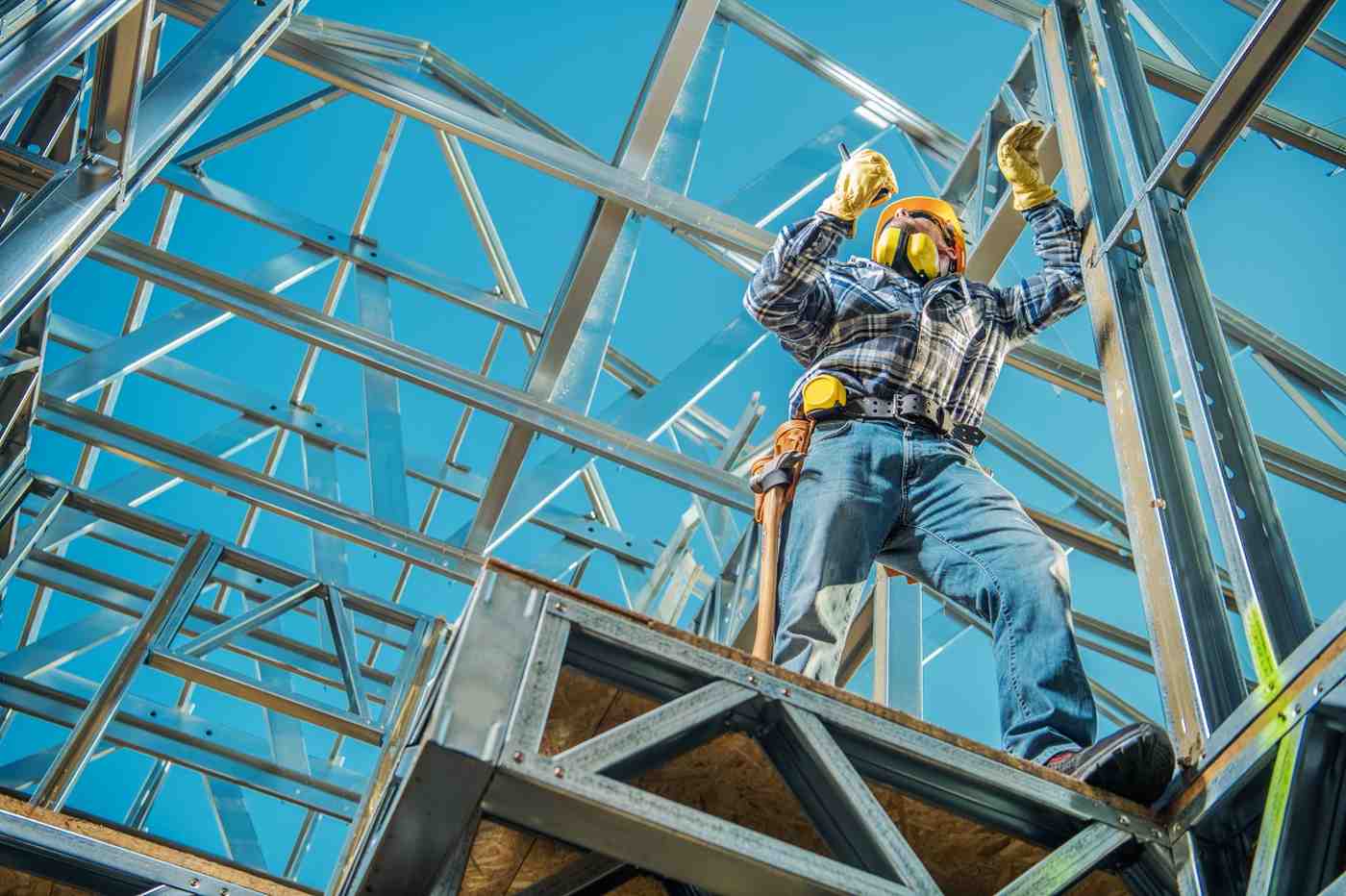
Steel erection is where construction projects either hold their timeline or start losing it. Across the UAE — from industrial plants and warehouses to commercial towers and infrastructure corridors — getting structural steel up on schedule is what keeps everything downstream moving. Yet delays at this stage remain stubbornly common, even on well-resourced projects.
What makes this frustrating is that most delays are not mysterious. They come from the same set of problems, repeated across project after project. And the ones that hurt the most rarely stem from a single failure — they build up quietly through a combination of regulatory timing, coordination gaps, logistics friction, and planning assumptions that don’t survive contact with reality.
Understanding what actually drives these delays is what separates projects that deliver on time from those that don’t.
What Actually Causes These Delays
1. Approval and Regulatory Bottlenecks
The UAE’s construction permitting environment is thorough. Municipal approvals, No Objection Certificates, and utility clearances are all part of the process — and each one carries its own timeline. The recurring problem is not that these requirements exist, but that project schedules routinely underestimate how long they take.
When site teams are ready to move, but approvals are still pending, the entire sequence stalls. Experienced project teams build regulatory lead times into the programme from day one. Teams that don’t plan for this end up managing the consequences on-site.
2. Design Coordination and Late Revisions
Structural steel has very little tolerance for design ambiguity. Fabrication happens ahead of site work, which means any discrepancy — misaligned anchor bolts, revised connection details, incorrect member sizing — gets discovered at the worst possible moment: when components are already on-site and ready to go up.
Late design changes are one of the most consistent causes of erection of steel structures delays, and they tend to compound quickly. A revision that takes a week to resolve in the office can translate into two or three weeks of disrupted site activity. The fix is front-loading coordination between structural, architectural, and MEP teams well before fabrication starts.
3. Climate and Site Conditions
Anyone who has worked a construction site in the UAE through July or August knows the challenge. Temperatures that push steel expansion beyond acceptable tolerances, humidity that affects surface treatments, and wind restrictions that ground crane operations — these are not edge cases. They are predictable conditions that need to be planned around.
Regulatory restrictions on outdoor working hours during the summer months add another layer of complexity. Projects that don’t build weather contingencies into their schedules tend to fall behind during the hottest months and never fully recover the time.
4. Supply Chain and Material Availability
The UAE imports the large majority of its structural steel, which creates exposure to shipping delays, port congestion, price movements, and sequencing problems largely outside any project team’s direct control.
When fabricated members arrive out of sequence — or simply don’t arrive on the planned date — site activity stops. Procurement planning needs to account for real lead times, not optimistic ones.
5. Logistics and Transportation Challenges
Transporting heavy and oversized structural members through urban environments like Dubai or Abu Dhabi requires permits, route pre-approvals, and careful timing around traffic restrictions. A load that cannot move during peak hours may not reach the site until days later — directly disrupting whatever was scheduled for that window.
Proper logistics coordination, including permit applications well ahead of delivery dates and contingency routing, is not optional on complex steel projects.
6. Poor Coordination Between Project Teams
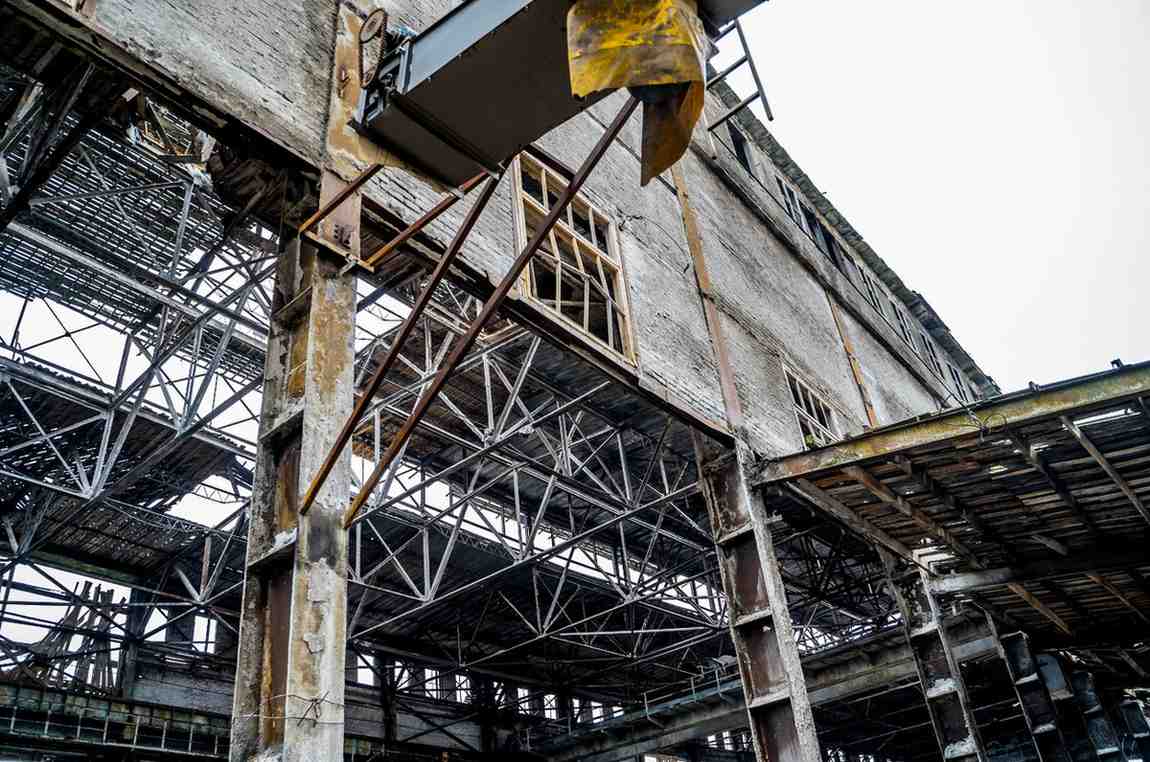
Steel does not go up in isolation. MEP systems, civil works, and secondary structures all intersect with primary steel in ways that create sequencing dependencies. When those dependencies are not mapped clearly in advance, clashes get resolved on-site rather than on paper.
The pattern is familiar: structural assembly is completed, and MEP coordination then reveals that certain runs cannot be installed without modifications. What would have been a drawing correction becomes a costly physical rework problem.
7. Shortage of Skilled Steel Erection Workforce
The UAE has a large construction workforce, but qualified riggers, structural welders, and experienced assembly crews for the erection of steel structures are not as readily available as general labour. This matters more than it might seem.
Slower assembly rates, alignment errors that compound over height, and safety incidents that trigger work stoppages all follow from using under-qualified teams on technically demanding work. The short-term saving on labour rates typically costs far more in programme time.
The Real Cost of Getting It Wrong
A delay in structural steel work is not a localised problem — it affects everything that follows. Mechanical and electrical contractors cannot begin on schedule. Commissioning gets pushed. Completion dates slip. In most commercial and industrial contracts, that translates directly into liquidated damages, extended preliminaries, and damaged client relationships.
Steel sits on the critical path in most large-scale construction programmes. Nothing else advances meaningfully until it is complete, which is why delays here have consequences that feel disproportionate to their causes.
How to Keep Projects on Schedule
Lock Down Design Before Fabrication Starts
The single most effective intervention is completing and coordinating structural drawings before fabrication begins. Any change made after fabrication is exponentially more expensive than one caught on a drawing. Pre-construction coordination is not overhead — it is risk mitigation.
Use BIM and 4D Sequencing
Modern projects increasingly rely on Building Information Modelling for clash detection and construction sequence simulation. 4D BIM lets teams walk through the build sequence virtually, catching conflicts before they become physical problems. This is particularly valuable where multiple trades share the same zones simultaneously.
Plan Logistics and Delivery Sequencing Carefully
Steel needs to arrive in the right order, not just on time. Coordinating delivery sequences with the erection of steel structure programme — and securing permits well ahead of delivery windows — is the difference between smooth progress and constant reactive scrambling.
Consider Prefabrication and Modular Systems
Where scope allows, prefabricated steel modules and standardised connection systems reduce the precision assembly required on-site. Controlled fabrication environments produce more consistent results than field welding and fitting under variable conditions — a particularly relevant consideration for industrial and large-scale projects in the UAE.
Schedule Around the Climate
Night shifts and early-morning starts during summer are standard practice for steel construction in the UAE. Projects that build these patterns into their baseline schedules — rather than adding them reactively — maintain better momentum through the difficult months.
Work with Teams That Understand the Full Cycle
Experience matters most when things do not go to plan. Contractors who understand the complete fabrication-to-erection cycle bring predictability that generalist teams cannot. The practical difference shows in accurate sequencing, tighter quality control, and the ability to resolve emerging issues before they become programme-critical.
Final Thought
Delays in the erection of steel structures across the UAE are predictable in their causes, even when the specific circumstances vary. Regulatory timing, design completeness, climate, supply chains, logistics, and workforce quality all interact in ways that make poor planning very expensive, very fast.
The projects that consistently deliver on schedule tend to share the same characteristics — thorough pre-construction planning, experienced execution teams, and the discipline to make critical decisions early rather than improvising under pressure on-site. Equally important is choosing the right partners from the start. Working with established steel fabricators in UAE who understand both the fabrication process and on-site erection realities makes a measurable difference — not just in build quality, but in how smoothly the overall programme runs.
For developers and contractors, the goal is to reduce variability at every stage. Less variability in planning and coordination means more predictable outcomes — and that reliability is ultimately what clients are paying for.