

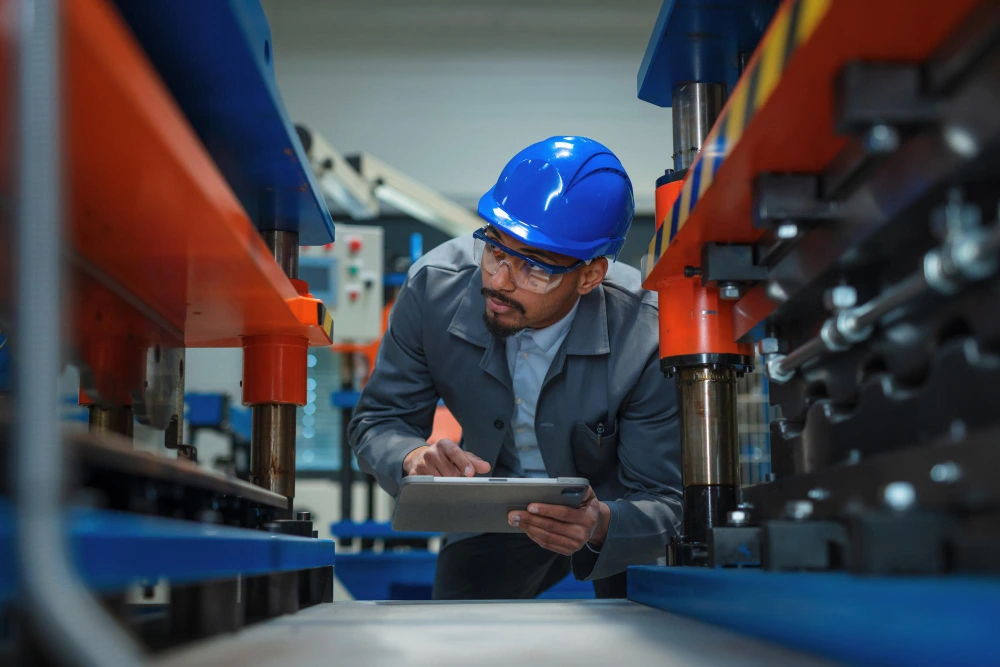
How Quality Control in Steel Fabrication Helps Reduce Risks in African Construction Projects
Steel is widely used across Africa’s construction and industrial landscape, supporting everything from warehouses and manufacturing facilities to mining operations and energy infrastructure. Its performance depends not only on material quality but also on how accurately each component is fabricated.
For contractors and developers sourcing steel internationally, these concerns become even more important. A fabrication error discovered after shipment can be difficult and expensive to correct, particularly when the project is located far from major industrial centres. This is why quality control deserves attention when planning steel fabrication supply from UAE to Africa.
By checking materials, fabrication work and finished components before dispatch, suppliers can help prevent problems that might otherwise affect installation and delay the wider project.
Why Does Quality Control Matter in African Construction Projects?
Construction sites across Africa often involve several contractors, suppliers and logistics partners working to a shared schedule. Some industrial and infrastructure projects are also located in remote areas, where specialist labour, replacement materials and fabrication facilities may not be readily available.
In these situations, even a relatively small fabrication mistake can create a larger problem. A beam with incorrect dimensions or a connection plate with misaligned holes may require additional work before installation can continue.
Quality control helps avoid such situations by checking important details throughout production, including:
- Material quality: Confirming that the steel grade, thickness and material certificates match the approved specifications.
- Fabrication accuracy: Checking cutting dimensions, drilling positions and connection details.
- Welding quality: Ensuring that welding work follows the required procedures and inspection criteria.
- Surface protection: Checking that steel receives the specified surface preparation and protective coating.
- Final inspection: Verifying that completed components are ready for dispatch.
- Documentation: Keeping material records, inspection reports and fabrication details properly organised.
Finding problems at the workshop stage is generally easier than correcting them after the steel has travelled thousands of kilometres.
Material Verification: Getting the Quality Right from the Start
The materials selected for a project have a direct influence on the strength, durability and overall performance of its steel structures. If the supplied steel does not meet the approved specifications, the finished components may not perform as intended.
This is why material checks should take place before fabrication starts. The supplier should review the relevant Mill Test Certificates (MTCs), confirm material grades and check dimensions against the purchase order and project drawings.
Other important checks include:
- Verifying steel grades, thicknesses and dimensions.
- Checking material certificates and heat numbers.
- Looking for visible damage, corrosion or other defects.
- Maintaining traceability between incoming materials and finished components.
- Confirming that fasteners and welding consumables meet project requirements.
For African construction projects, proper material records are particularly useful when several parties are involved in procurement, fabrication and installation. They give contractors and project consultants a clearer record of what has been supplied and where the materials have been used. For further information on quality management practices, the ISO 9001 quality management standard provides an internationally recognised framework for managing consistent processes and improving quality performance.
Welding Quality Helps Maintain Structural Reliability
Welding connects individual steel members and plays an important role in the strength of the finished structure. Poor workmanship or unsuitable welding procedures can weaken these connections and create problems during installation or operation.
A consistent inspection process helps keep welding quality under control. Depending on the project requirements, this may involve checking joint preparation, weld alignment, welder qualifications and the finished welds.
Visual inspection is an important part of this process. Where additional verification is needed, non-destructive testing (NDT) methods such as ultrasonic testing, magnetic particle testing or radiographic testing can help identify defects that are not easily visible.
The inspection method and testing requirements should follow the approved project specifications and the importance of the particular connection.
For contractors sourcing structural steel fabrication from the UAE, asking about welding procedures and inspection records is a useful way to understand how a supplier manages fabrication quality.
How Does Fabrication Accuracy Reduce On-Site Installation Delays?
Fabricated steel components must fit together correctly when they reach the construction site. If measurements are inaccurate or connection details do not match the approved drawings, installation teams may have to spend additional time adjusting the components.
This can affect crane schedules, labour planning and other construction activities.
Dimensional checks during fabrication help prevent these problems. They generally cover:
- Length, width and depth of steel members.
- Bolt-hole positions and spacing.
- Alignment of connection plates.
- Straightness and overall dimensions.
- Compatibility between connecting components.
For complicated structures or assemblies, a trial fit at the fabrication facility can reveal alignment issues before shipment. These checks are especially useful when replacement components would be difficult to arrange at a remote African project site. Accurate fabrication also supports smoother coordination between manufacturing and steel erection teams.
Corrosion Protection Is Important for Long-Term Performance
Steel structures are exposed to different environmental conditions depending on where they are installed. Coastal projects may face salt-laden air, while tropical locations can experience high humidity. Industrial and mining facilities may also expose steelwork to dust and other aggressive conditions.
Without suitable protection, these environments can accelerate corrosion and increase maintenance requirements.
The protective coating system should therefore be selected according to the project’s location, intended use and technical specifications. Quality checks should cover surface preparation, coating application and the finished surface condition.
Before dispatch, inspectors should also look for scratches, damaged coatings or exposed areas that may need attention. Addressing these issues at the fabrication facility can avoid unnecessary repair work after delivery.
Inspection Records and Pre-Dispatch Checks Reduce Delivery Problems
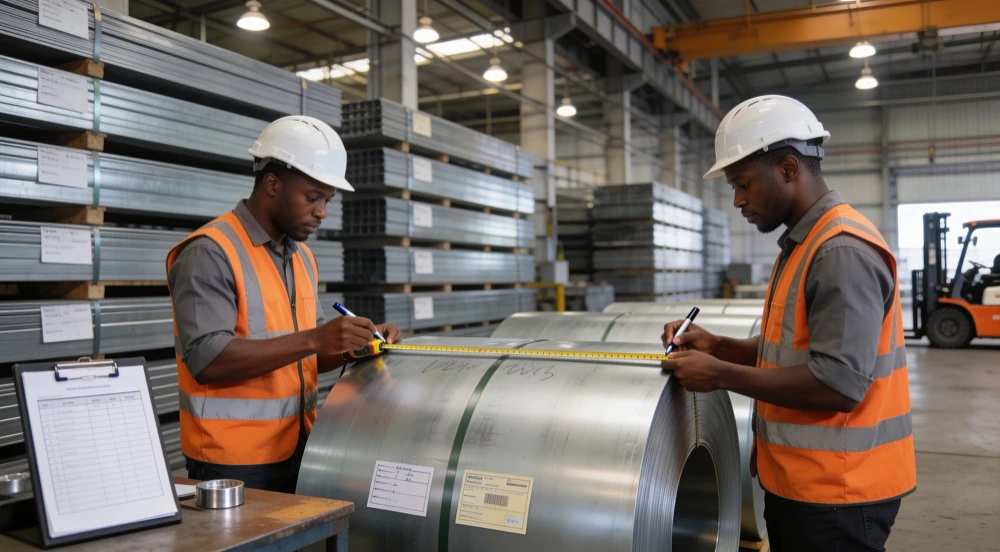
Completing fabrication does not automatically mean that the steel is ready to ship. A final review helps confirm that the components meet the agreed requirements and that the necessary documents are available.
For steel fabrication supply from UAE to Africa, this stage is important because the manufacturer, buyer, freight provider and installation contractor may all be working from different locations.
Before dispatch, the project team should check:
- Whether components match the approved drawings.
- Availability of material certificates and inspection reports.
- Completion of required welding checks and tests.
- Condition of protective coatings.
- Correct identification and marking of components.
- Packing lists and relevant shipping documents.
The way steel is packed and loaded also matters. Suitable handling and clear component identification help protect the material during transportation and make it easier for site teams to locate the required items when shipments arrive.
Choosing the Right Steel Fabrication Supplier in the UAE
Price is an important part of any procurement decision, but it should not be the only consideration. A supplier’s fabrication experience, production capabilities and approach to quality control can have a direct impact on the success of an overseas project.
Before selecting a supplier, African contractors and project developers should consider:
- Experience with structural and industrial steel fabrication.
- Availability of suitable fabrication facilities and skilled personnel.
- Material verification and traceability procedures.
- Welding capabilities and inspection arrangements.
- Ability to follow approved engineering drawings.
- Quality documentation and pre-dispatch inspection practices.
- Coordination of fabrication schedules and export requirements.
A capable structural steel fabrication supplier should be able to explain how materials and finished components are checked at different stages of production.
Where the project also involves installation, coordination with experienced steel erection teams helps maintain consistency between fabrication requirements and site assembly.
Conclusion
Quality control is not simply a final inspection before steel leaves the workshop. It is part of the entire fabrication process, starting with material selection and continuing through welding, dimensional checks, surface protection and dispatch.
For companies involved in steel fabrication supply from UAE to Africa, paying attention to these stages can help reduce avoidable rework, improve installation planning and protect project schedules. It also gives buyers better visibility into the materials and workmanship behind the finished structure.
When choosing a fabrication partner, contractors should look beyond production capacity and pricing. A supplier that maintains consistent quality checks, traceable records and clear communication can make international steel procurement more dependable and help projects move forward with fewer complications.