

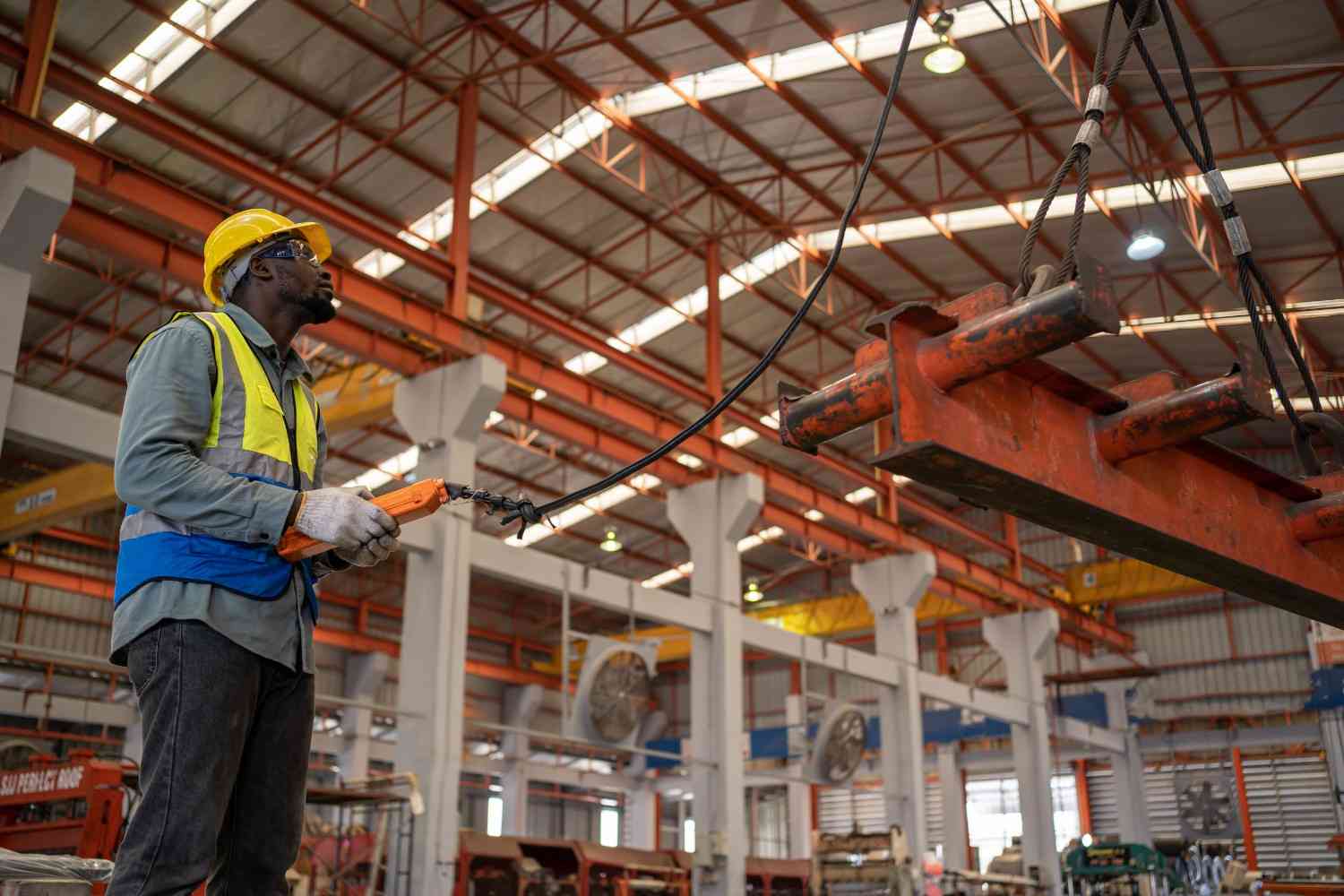
Why Industrial Warehouses in Africa Are Increasingly Built with Structural Steel
Africa’s industrial and logistics sectors aren’t growing quietly. Walk through any major port city — Lagos, Mombasa, Durban — and the pace of warehouse and distribution centre development tells you something is shifting structurally, not just economically. Manufacturing hubs are expanding. E-commerce fulfilment needs are accelerating. Agricultural storage backlogs have pushed developers to think differently about build timelines and operational longevity.
That rethinking has brought structural steel to the centre of most serious warehouse projects across the continent.
This isn’t a trend driven by novelty. Developers and project engineers who have worked across multiple African markets will tell you the same thing: when the timeline is tight, the climate is harsh, and the operational requirements don’t leave room for error, structural steel consistently outperforms conventional construction methods. At the same time, the growth of reliable steel fabrication supply from UAE to Africa has removed a major logistical barrier, giving developers access to export-ready structural systems with faster turnaround and consistent fabrication quality.
Faster Construction for Fast-Growing Markets
In high-growth markets, time lost to construction is money lost to operations. African economies don’t have the luxury of slow build cycles — businesses opening distribution centres or manufacturing facilities need to be operational quickly, and concrete-heavy construction methods often can’t meet those expectations.
Structural steel changes this equation. Fabrication happens off-site while foundation and groundwork continue in parallel. Once steel members arrive on-site, erection is significantly faster compared to poured concrete construction. Depending on project scope, steel-based warehouse systems have been shown to reduce timelines by 30% to 50%.
For project managers working under investor pressure or lease commitments, that figure matters enormously. It’s also one reason steel fabrication supply from UAE to Africa has become a key part of the planning conversation — shipping timelines, port access, and fabrication capacity all feed directly into whether a project stays on schedule.
Large Clear Spans Improve Warehouse Operations
Anyone who has managed a warehouse with too many internal columns knows the problem. Equipment movement gets complicated. Racking layouts become a compromise. And when the business grows, the floor plan fights back.
Structural steel allows for large, clear spans — wide, open floor areas without intermediate support columns. For modern warehouses, this matters across a range of operations:
- High-density pallet racking systems
- Automated and semi-automated forklift movement
- Industrial machinery placement
- Bulk commodity storage
- Distribution and last-mile logistics workflows
The result is a warehouse that works as designed from day one and can be reconfigured without structural compromise. That kind of operational flexibility has real commercial value, particularly as logistics models continue to evolve across African markets.
Performance Across Africa’s Demanding Climate Conditions
African climate conditions don’t allow shortcuts. Coastal humidity in cities like Lagos and Durban, cyclone exposure in parts of East Africa, high interior temperatures, and significant rainfall across equatorial zones all create long-term stress on industrial buildings. So does termite activity, which remains a genuine structural threat in many regions.
Structural steel, when designed and protected correctly, holds up where other materials tend to fail over time.
Galvanised and coated steel systems resist corrosion in high-humidity coastal environments. Unlike timber, steel has no biological vulnerability to termites or fungi. In seismically active zones or areas prone to high wind loads, steel’s strength-to-weight ratio provides inherent structural resilience that concrete or masonry systems often can’t match without high additional cost.
This is a factor that experienced engineers consistently raise when specifying materials for African warehouse projects. Steel fabrication supply from UAE to Africa is supporting more of these developments, specifically because the structural systems can be engineered for local conditions before they leave the fabrication facility.
Reduced Foundation Costs and Site Complexity
Not every industrial zone in Africa sits on ideal ground conditions. Poor soil bearing capacity, high water tables, and variable subsurface geology are common challenges — and they become expensive problems when a heavy concrete structure needs deep foundations to compensate.
Steel buildings carry significantly less dead load. That reduced weight pressure on the foundation system often translates to shallower excavations, lower concrete volumes, and simpler foundation engineering overall.
Across large warehouse footprints, those savings compound quickly. For a developer managing a multi-bay facility on difficult ground, the difference in foundation cost alone can make structural steel the more economical choice even before factoring in construction speed.
Scalability for Expanding Businesses
Industrial businesses don’t stay the same size. Successful logistics operators expand. Manufacturing output grows. Storage requirements change as product lines evolve. The buildings that house these operations need to keep pace — ideally without major shutdowns or costly reconstruction.
Structural steel supports phased development better than most conventional systems. Additional bays can be integrated into an existing steel frame with less disruption than demolishing and rebuilding concrete structures. Extensions can often be completed while core operations continue, which matters enormously for businesses that can’t afford extended downtime.
In Africa’s high-growth sectors — particularly fast-moving consumer goods distribution, cold chain logistics, and light manufacturing — this scalability is not a secondary consideration. It’s a primary one.
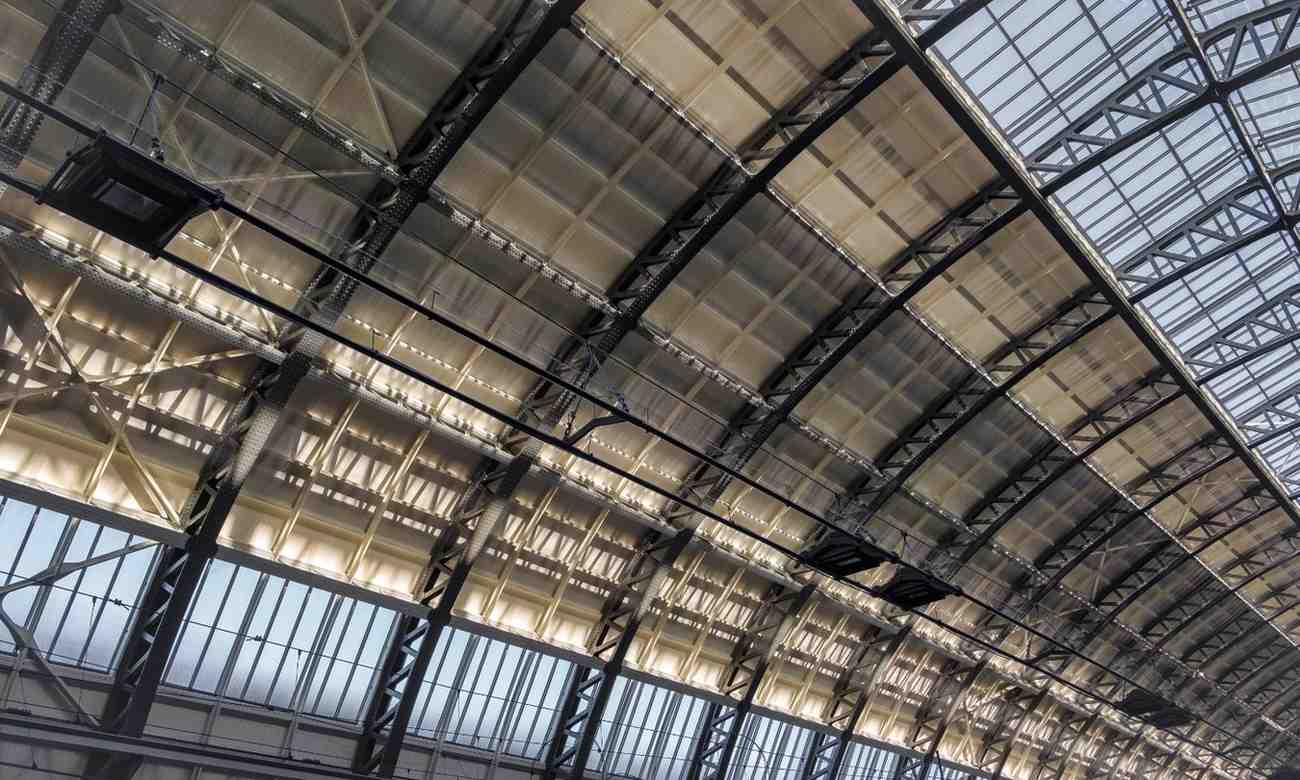
Sustainability and the Shift Toward Green Construction
ESG-linked financing and international investment standards are changing how industrial projects get evaluated — and that includes the materials used to build them. Steel has a credible sustainability profile that many developers are now factoring into their project planning.
Steel is fully recyclable at the end of life. Off-site fabrication reduces on-site waste significantly. Shorter construction periods mean lower cumulative emissions from site operations. And precision fabrication processes minimise material loss compared to cut-and-pour concrete methods.
For projects seeking green building certifications or satisfying the requirements of environmentally-focused lenders, these characteristics are increasingly relevant. Steel fabrication supply from UAE to Africa is aligning with this shift — fabrication partners are operating under international quality and environmental standards that support responsible procurement.
Why UAE Fabrication Partners Play a Growing Role
The UAE’s position as a fabrication and export hub for large-scale industrial construction has developed over decades of infrastructure investment. For African warehouse developers, this matters for practical reasons.
Shipping routes from UAE ports to major African hubs are well-established, with relatively predictable transit times. UAE-based fabrication facilities operate to international structural standards, with inspection and quality control processes that reduce the risk of on-site surprises. Production capacity at leading UAE facilities supports large and complex projects without the lead time delays that smaller regional suppliers may encounter.
For project teams managing tight delivery windows — which describes most major warehouse developments on the continent right now — this combination of engineering capacity and logistics reliability is difficult to replicate elsewhere. Steel fabrication supply from UAE to Africa has moved from an option to a standard part of project procurement for many experienced developers.
Structural Steel and the Future of African Industrial Growth
The warehousing and logistics sector is becoming foundational infrastructure for African economic development. E-commerce growth, agricultural processing, mining supply chains, pharmaceutical distribution, and manufacturing expansion all depend on modern, reliable storage and handling facilities.
Structural steel supports each of these sectors by delivering faster project timelines, flexible operational layouts, long-term durability, and the ability to scale alongside growing businesses. These aren’t abstract benefits — they translate directly into lower project risk and better long-term returns for developers and investors.
Construction methods across the continent are evolving to reflect this reality. Developers who have built with steel on one project rarely go back to conventional methods for the next.
Conclusion
The widespread adoption of structural steel in African industrial warehouses reflects a straightforward calculation: build faster, operate better, expand more easily, and spend less on maintenance over time.
Modern fabrication methods and improved export logistics have made structural steel more accessible across African markets than it was even five years ago. Steel fabrication supply from UAE to Africa has played a direct role in that shift, providing structural systems that are engineered for performance and delivered to schedule.
For warehouse developers and industrial investors operating across the continent, structural steel has moved well past the point of being an alternative approach. In most serious industrial construction conversations today, it’s simply where the planning starts.