

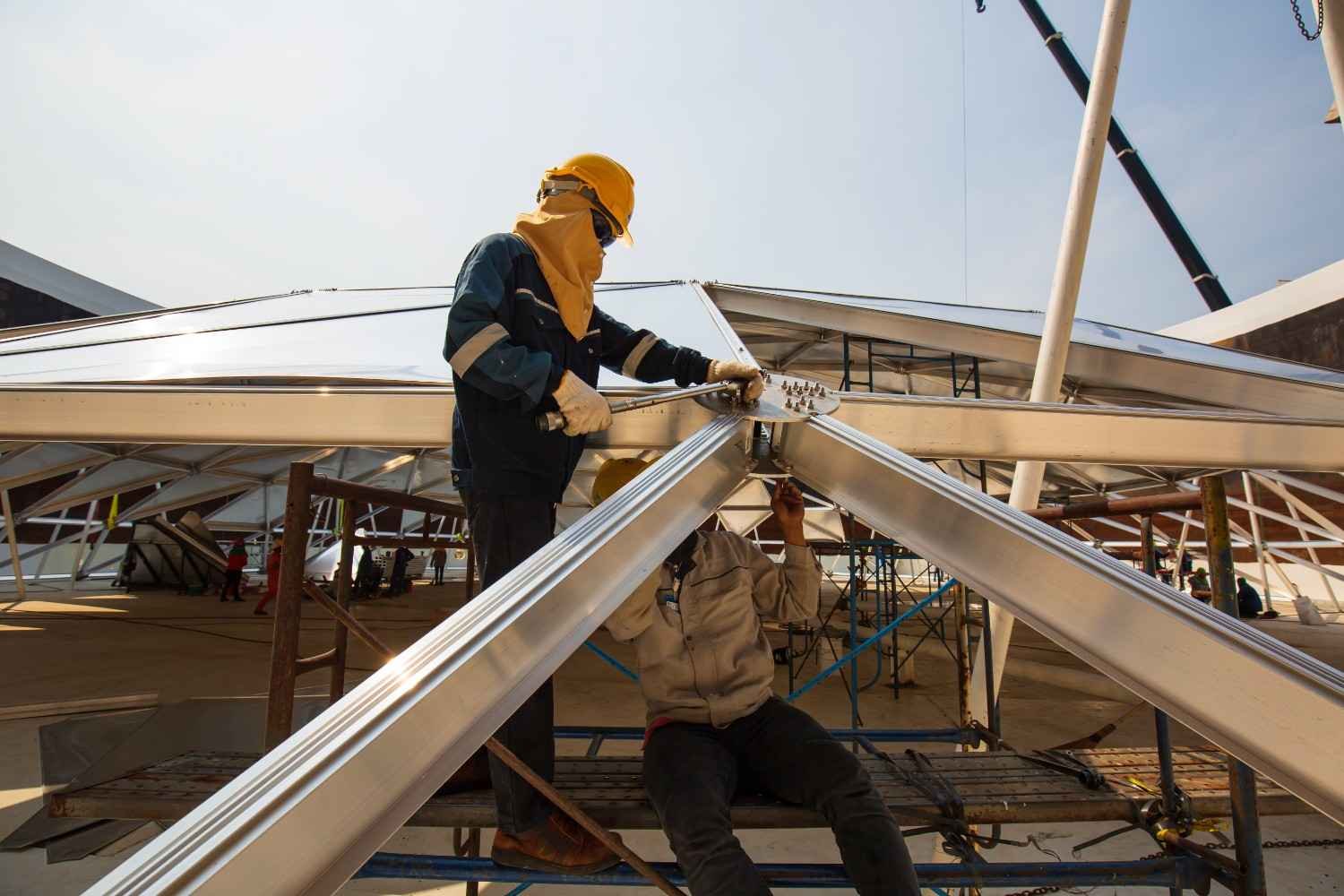
Where Are Tensile Fabric Structures Commonly Used? Industry Applications Explained
Modern construction is no longer focused only on building stronger structures—it is equally about creating spaces that are functional, visually appealing, and efficient to build. This shift has led architects, developers, and engineers to adopt solutions that combine structural performance with architectural flexibility. One solution that continues to gain popularity across commercial and industrial projects is Tensile Fabric Structures.
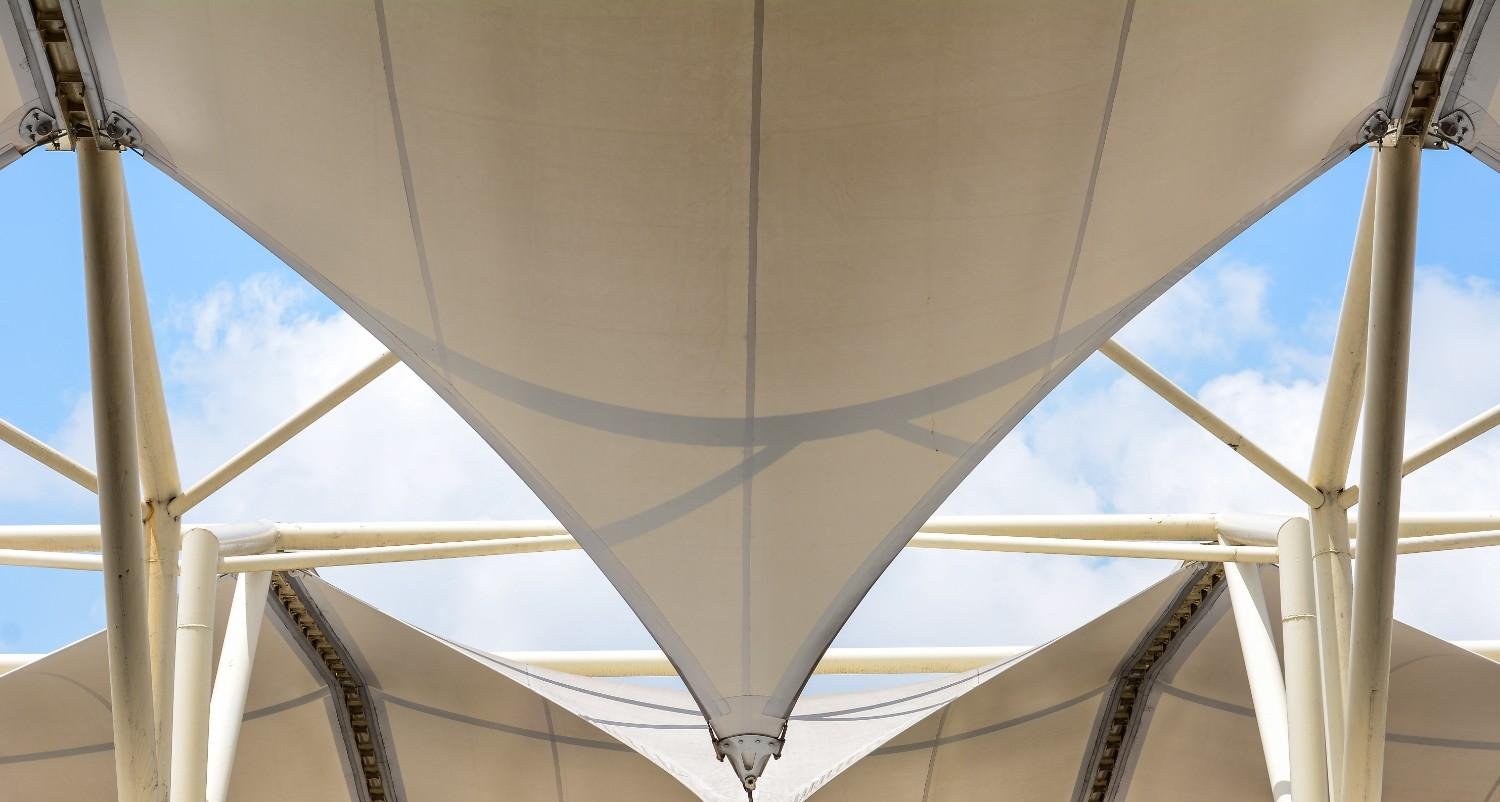
Unlike conventional roofing systems that depend on heavy concrete or steel to carry loads, tensile structures use a tensioned fabric membrane supported by engineered steel frameworks, cables, or masts. The result is a lightweight yet durable system capable of covering large areas without numerous internal columns. This allows designers to create open, unobstructed spaces while maintaining a modern architectural appearance.
Today, Tensile Fabric Structures are no longer limited to iconic stadiums or exhibition centres. They are widely used across commercial developments, transport infrastructure, industrial facilities, educational campuses, hospitality projects, and public spaces because they offer a practical balance between performance, aesthetics, and construction efficiency.
This article explores where tensile fabric structures are commonly used, why different industries prefer them, and what makes them an increasingly important part of modern construction.
Why Tensile Fabric Structures Are Used Across So Many Industries
Every construction project has different priorities. A shopping mall may require attractive entrance canopies that enhance customer experience, while a warehouse may need large covered loading areas that improve daily operations. A sports facility, on the other hand, often requires wide-span roofing that provides weather protection without obstructing spectators’ views.
Despite these different requirements, Tensile Fabric Structures continue to meet the needs of all these sectors because they offer several practical advantages.
Their lightweight design reduces the amount of structural material required, while the ability to span long distances creates flexible spaces with minimal internal supports. Many membrane materials also allow soft natural daylight to filter through, creating brighter environments and reducing the dependence on artificial lighting during the day. Combined with faster installation and modern architectural appeal, these benefits have made tensile structures an attractive solution for a wide variety of projects.
Another advantage is flexibility. Tensile structures can be designed as permanent architectural features, semi-permanent installations, or temporary facilities depending on the project’s requirements. This versatility explains why their applications continue to expand across multiple industries.
Commercial and Retail Developments
Commercial properties are among the largest users of Tensile Fabric Structures today.
Shopping centres, office complexes, hotels, restaurants, and mixed-use developments increasingly use tensile canopies to improve both functionality and visual appeal. Instead of treating outdoor areas as unused space, developers are transforming them into comfortable environments that encourage people to spend more time outdoors.
Common applications include:
- Entrance canopies
- Outdoor dining areas
- Shopping mall walkways
- Hotel drop-off zones
- Retail courtyards
- Café terraces
- Building entrance features
- Covered parking areas
Beyond weather protection, these structures contribute to the overall identity of a development. Their curved forms, clean lines, and modern appearance often become architectural focal points that distinguish one property from another.
Many membrane systems also reflect a significant portion of solar heat while allowing diffused daylight underneath, creating cooler and more comfortable outdoor environments—an important advantage for commercial developments in warm climates.
Sports and Recreational Facilities
Few building types demonstrate the advantages of Tensile Fabric Structures better than sports facilities.
Large stadiums, sports arenas, swimming pools, training centres, and outdoor courts all require wide covered areas without numerous internal columns that could interfere with movement or visibility.
This is where tensile structures excel.
Instead of relying on heavy roofing systems, tensioned membranes work together with engineered steel support systems to create large clear-span spaces that remain both lightweight and structurally efficient.
Typical applications include:
- Stadium roofs
- Spectator stands
- Football and cricket training facilities
- Tennis courts
- Swimming pool covers
- Indoor sports halls
- Recreational parks
- Outdoor fitness centres
Another benefit is the quality of natural light. Unlike opaque roofing systems, certain membrane materials allow soft, diffused daylight to enter the facility, improving visibility while reducing glare. This creates a more comfortable environment for athletes and spectators and can also contribute to lower daytime energy consumption.
Globally recognised projects such as the Denver International Airport and the Allianz Arena have demonstrated how advanced membrane materials can successfully combine engineering performance with striking architectural design. While these are landmark examples, the same engineering principles are now being applied to commercial and public projects of all sizes.
Transportation Infrastructure
Transportation facilities handle thousands of people every day and require covered spaces that remain safe, durable, and easy to navigate.
For this reason, Tensile Fabric Structures are increasingly used throughout modern transport infrastructure.
Common applications include:
- Airport terminal entrances
- Passenger waiting areas
- Railway stations
- Bus terminals
- Metro station canopies
- Covered pedestrian bridges
- Taxi and ride-sharing zones
- Toll plazas
- Ferry terminals
These environments benefit from wide-span roofing systems that minimise internal columns, allowing smooth movement for passengers, vehicles, and maintenance equipment.
Because many tensile systems are prefabricated before arriving on site, installation can often be completed more efficiently than conventional roofing methods. This helps reduce disruption at busy transport facilities where maintaining daily operations is a priority.
In addition to protecting passengers from sun and rain, these structures contribute to a cleaner and more contemporary architectural appearance, helping transport hubs become more functional and welcoming public spaces.
Industrial and Logistics Facilities
Industrial environments demand structures that are practical, durable, and quick to install. Whether it’s a manufacturing plant, logistics hub, distribution centre, or warehouse, operations often need large covered spaces that can accommodate heavy equipment and constant vehicle movement without internal obstructions.
This is where Tensile Fabric Structures offer a practical advantage.
Their ability to create large clear-span areas makes them suitable for loading bays, storage yards, vehicle maintenance zones, equipment shelters, and material handling areas. Unlike conventional roofing systems that may require numerous support columns, tensile structures maximise usable space while maintaining easy access for trucks, cranes, and industrial machinery.
In many industrial projects, construction schedules are equally important. Because the membrane and supporting steel components are prefabricated before reaching the site, installation can often be completed with minimal disruption to ongoing operations. This makes tensile systems particularly suitable for expanding existing facilities where downtime needs to be kept to a minimum.
Hospitality, Public Spaces, and Educational Campuses
Modern public spaces are designed to encourage people to spend time outdoors while remaining protected from harsh weather conditions. As a result, Tensile Fabric Structures have become a common feature in hospitality developments, educational institutions, healthcare facilities, and municipal projects.
Typical applications include:
- Hotel entrance canopies
- Resort walkways
- Outdoor restaurants and cafés
- Public parks
- School playgrounds
- University gathering spaces
- Hospital entrances
- Outdoor waiting areas
- Community centres
- Amphitheatres
These structures do much more than provide shade.
Their curved forms create welcoming spaces that blend functionality with contemporary architecture. Many membrane materials also allow soft, diffused daylight to pass through while reducing direct solar heat, helping create cooler outdoor environments that remain comfortable throughout the day.
Urban planners increasingly use tensile canopies to create what is known as a micro-climate—covered outdoor spaces designed to improve pedestrian comfort through shade, natural ventilation, and better airflow. This makes public areas more usable while enhancing the overall visitor experience.
Temporary Structures That Deliver Long-Term Value
Not every construction project requires a permanent building.
Mining operations, exhibitions, infrastructure projects, emergency response facilities, and seasonal events often need structures that can be installed quickly, relocated if necessary, and adapted to changing operational requirements.
This flexibility is another reason Tensile Fabric Structures continue to be widely adopted.
Temporary workforce shelters, equipment covers, construction site facilities, exhibition pavilions, and event spaces can all benefit from lightweight membrane systems that are faster to install than conventional buildings while still providing reliable weather protection.
Their modular nature also allows future expansion or relocation without extensive reconstruction, making them a practical solution for projects where operational needs may change over time.
Choosing the Right Membrane Material
Although the structural design remains similar, the performance of a tensile structure largely depends on selecting the right membrane material.
Each option is designed for different project requirements.
PVC-Coated Polyester
Often selected for commercial canopies, parking structures, and walkway covers, PVC-coated polyester offers a practical balance between performance and cost. It is flexible, available in various colours, and typically provides a service life of around 10 to 15 years when properly maintained.
PTFE-Coated Fibreglass
For long-term architectural projects, PTFE-coated fibreglass is widely regarded as one of the highest-performing membrane materials. It offers exceptional durability, excellent UV resistance, fire performance, and a self-cleaning surface that helps maintain its appearance over time. This material is commonly specified for airports, stadiums, and major public infrastructure.
ETFE Foil
ETFE represents a different approach altogether. Instead of a woven membrane, it uses lightweight transparent cushions that can transmit up to 95% of natural daylight while weighing only a fraction of traditional glazing systems. This makes ETFE particularly suitable for atriums, botanical gardens, exhibition spaces, and architecturally distinctive buildings where natural light is a key design objective.
Selecting the right membrane depends on several factors, including project location, expected lifespan, maintenance requirements, environmental conditions, and overall design goals.
Why Structural Steel Is Essential to Tensile Structures
While the membrane often attracts the most attention, the success of any tensile structure depends just as much on the engineering behind it.
Every membrane relies on a carefully designed structural framework to maintain the correct tension and safely transfer loads caused by wind, rain, and daily use. Without a properly engineered support system, even the highest-quality fabric cannot perform as intended.
This is why structural steel fabrication plays such an important role in tensile construction.
Precisely fabricated steel masts, columns, arches, trusses, and connection systems ensure that membrane tension is distributed correctly throughout the structure. Accurate fabrication also simplifies installation, improves long-term structural stability, and helps maintain the architectural form envisioned during the design stage.
Working with experienced steel fabricators in UAE is particularly valuable for projects that require custom-engineered steel frameworks capable of meeting international quality and safety standards.
Conclusion
From commercial developments and transport infrastructure to industrial facilities, sports venues, educational campuses, and public spaces, Tensile Fabric Structures have become one of the most versatile solutions in modern architecture.
Their popularity extends well beyond appearance. Lightweight construction, long-span capability, efficient installation, durable membrane materials, and design flexibility allow them to solve practical challenges across a wide range of industries while creating attractive, functional spaces.
As construction continues to prioritise sustainability, efficiency, and architectural innovation, tensile structures are expected to play an even greater role in future developments. When combined with high-quality membrane systems, precision structural steel fabrication, and sound engineering principles, they provide long-lasting solutions that meet both technical and architectural requirements.
For project owners, architects, and developers exploring modern roofing and shading systems, understanding where Tensile Fabric Structures are used—and why they perform so well in these environments—is the first step towards selecting a solution that delivers lasting value, operational efficiency, and design excellence.